Tennessee lawmakers just voted to advance a bill turning public schools into immigration checkpoints. The GOP-led Senate Education Committee approved a measure to verify students’ immigration status and bar those who can’t prove legal residency unless they pay tuition—despite warnings that it could cost the state federal funding and violate the Civil Rights Act.
At least three Republicans joined the lone Democrat in opposing it, but the bill still moves forward, setting up a legal and ethical disaster.
The term “PhD-level AI” is essentially a marketing term, though OpenAI’s o3 model has demonstrated impressive performance on several academic benchmarks, including:
2024 American Invitational Mathematics Exam: 96.7% (missed only one question)
GPQA Diamond (graduate-level STEM):
87.7%Frontier Math Benchmark: 25.2% (a significant jump over previous models)
The model utilizes “private chain of thought” reasoning, simulating internal dialogues before finalizing responses.
Despite these achievements, critics argue that hiring a real PhD student would be far cheaper than these AI agents’ $20,000 price tag. While the AI demonstrates high benchmark performance, its ability to replicate doctoral-level expertise in real-world research remains debatable.
The most likely answer is that they’re afraid of Trump, but the larger problem is that the MAGA movement—including its supporters in the military and the Defense Department—is based on fear and insecurity, a sense that American culture is hostile to them and that Trump is the protector of a minority under siege. Many members of this movement believe that the “left,” or whatever remains of it now, is engaged in a war on the traditional family, on masculinity, on American capitalism, on Christmas and Christians. They see DEI as one of the many spiritual and moral pathogens that threaten to infect fine young men and women (especially white ones) and turn them into sexually decadent Marxists.
Of course, the argument that some MAGAs will come back with as they want to purge the government of anything that could be misconstrued as ‘DEI’–which they don’t understand–will be this: “Well, you lefties wanted to rename all those military bases named after Confederate war heroes!”
A dark medieval fantasy infused with twisted folklore and macabre magic, Once Was Willum takes readers to 1100s England, where Willum, a man who once rose from the dead, faces an ancient evil. The novel promises deep secrets, monstrous battles, and an exploration of life, death, and destiny. If you enjoy atmospheric historical fantasy, this one should be on your radar.
The Scorpion and the Night Blossom by Amélie Wen Zhao (March 4, 2025)
This debut adult fantasy introduces a world at war with demons, where protagonist An Ying must enter a deadly ancient competition—the Immortality Trials—to save her mother’s soul. With dazzling magic, intense rivalries, and a treacherous path to eternal life, this novel promises an unforgettable start to a new dark fantasy duology. Fans of Song of Silver, Flame Like Night will definitely want to check this one out.
Heat of the Everflame by Penn Cole (March 4, 2025)
The third book in the Everflame series, this novel continues the epic fantasy adventure that began with Spark of the Everflame. Self-published initially, the series has been picked up for traditional release, bringing more readers into its richly developed world. This is the perfect time to jump in if you want to binge a completed trilogy.
The Prince Without Sorrow by Maithree Wijesekara (March 11, 2025)
A prince who rejects his father’s brutal empire. A witch seeking revenge. The Prince Without Sorrow follows Ashaka, the youngest son of a ruthless emperor, and Shakti, a witch determined to dismantle the monarchy from within. With nature spirits, political intrigue, and a battle for power, this novel sets the stage for an exciting new fantasy series.
The Serpent Called Mercy by Roanne Lau (March 25, 2025)
Described as The Witcher meets Squid Game, this Malaysian-Chinese-inspired epic fantasy introduces an underground monster-fighting arena where the most dangerous beasts may not be in the ring. With breathtaking battles, intricate lore, and compelling friendships, this novel promises to be one of the standout fantasy releases of the year.
The Bane Witch by Ava Morgyn (March 18, 2025)
For fans of Practical Magic and Gone Girl, The Bane Witch follows Piers Corbin, a woman with a talent for poison who fakes her own death to escape a dangerous marriage—only to discover she’s part of a long line of poison-wielding witches. With murder, dark magic, and a flirtation with a suspicious sheriff, this book offers a fresh take on supernatural thrillers.
Honorable Mentions & More Releases to Watch
While these fantasy books generate the most buzz, don’t forget about the sci-fi/fantasy crossovers coming this March, including Flux and Luminous. Whether you’re into dark fantasy epics or genre-blending adventures, there’s plenty to look forward to!
What fantasy release are you most excited for this March? Let me know in the comments, and happy reading!
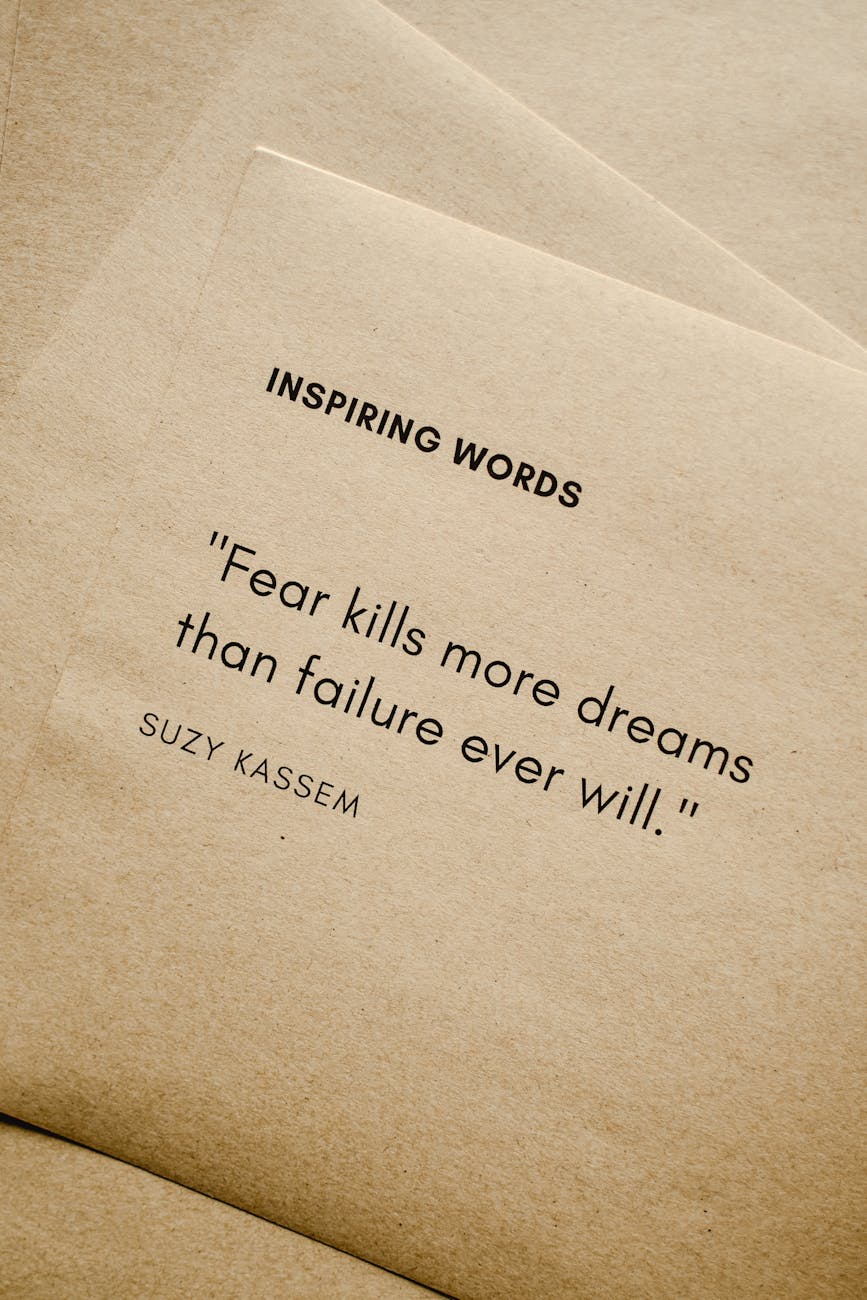
Your mindset shapes every aspect of your teaching. It influences how you handle classroom challenges, connect with your students, and even how much you enjoy your career. A positive mindset isn’t about ignoring difficulties—it’s about seeing growth opportunities where others see obstacles. As Henry Ford wisely said, “Whether you think you can or you think you can’t—you’re right.”
For teachers, how you think about yourself and your work directly impacts your effectiveness. But how can you cultivate a positive teaching mindset when the job demands feel overwhelming? The answer lies in small, intentional practices that rewire your thinking and keep you focused on the possibilities rather than the problems.
Reframing Classroom Challenges
Teachers face tough days—students acting out, lessons falling flat, and mounting to-do lists. In these moments, it’s easy to feel discouraged. But reframing challenges can make all the difference. Instead of thinking, “This student will never improve,” shift to, “This student is showing me where they need the most support.” Reframing doesn’t ignore the problem—it changes how you approach it.
To reinforce this practice, try using affirmations such as:
“I am a resourceful and adaptable teacher.”
“I see challenges as opportunities to grow.”
“Every student has the potential to succeed, and I am part of their journey.”
Write these affirmations down or repeat them in moments of frustration to reset your mindset.
Visualization as a Teaching Tool
Albert Einstein once said, “Imagination is more important than knowledge.” Visualization is a powerful technique often used by athletes and leaders, and it can be just as effective for teachers. Take five minutes each morning to picture your ideal day—students engaged, lessons flowing smoothly, and yourself responding with patience and confidence. This simple practice helps you enter the classroom with a clear vision of success.
Pair this practice with positive affirmations to strengthen its effect. For instance, while visualizing, repeat statements like, “I am confident and capable of handling any situation today.” Visualization, combined with affirmations, primes your brain to approach the day with clarity and focus.
Modeling Positivity in the Classroom
Your mindset impacts you and influences your students. When you approach teaching with optimism and confidence, your students are more likely to mirror those attitudes. Start the day with a positive affirmation for the class, such as “Today is a great day for learning.” Encourage students to create their own affirmations, fostering a classroom culture of positivity and growth.
Go Beyond Words With Tools That Amplify Your Efforts
While affirmations and visualization are powerful, tools like MindZoom Affirmations Software can take your mindset work to the next level. MindZoom integrates subliminal affirmations into your daily life, effortlessly reinforcing positive thoughts as you work, plan, and teach. It’s an easy way to stay consistent and ensure your mindset aligns with the success you envision.
Your Next Step: Invest in Your Mindset
Teaching is challenging, but your mindset can make all the difference. Integrating affirmations, visualization, and tools that support positivity into your routine can transform how you approach your classroom and your career. Ready to take the next step in becoming the teacher you’ve always wanted to be?
Click here to learn how MindZoom Affirmations Software can help you unlock your full potential and thrive in 2025.
Burnout is one of the biggest challenges in education today, especially for teachers balancing endless tasks, demanding classrooms, and a profession that asks so much while offering so little time for self-care. The result? Exhaustion, frustration, and even questioning whether you can keep going. But the truth is, you don’t have to feel stuck. By shifting your mindset with affirmations and positive practices, you can regain control, restore your energy, and rediscover the joy in teaching.
Burnout isn’t just about working too hard—it’s about feeling like your effort doesn’t matter. But as Marcus Aurelius wrote in Meditations, “You have power over your mind—not outside events. Realize this, and you will find strength.” This quote is a cornerstone for battling burnout. You may not have the power to change your curriculum, your students’ behavior, or the expectations placed on you, but you can change how you react to these challenges. Affirmations are a simple yet effective way to begin this shift.
Start Each Day With a Positive Mindset
The way you start your morning often determines how the rest of the day unfolds. Instead of diving into stress the moment you wake up, take five minutes to ground yourself with affirmations like:
“I am calm, capable, and prepared for today’s challenges.”
“I am making a difference, even when it feels invisible.”
“I have the energy to meet this day with enthusiasm.”
These statements, repeated silently or aloud, prime your brain to approach the day positively. Writing them in a journal amplifies their impact. Pairing affirmations with deep breathing or mindful stretches can make the practice even more restorative.
Use Visual Cues to Reframe Your Mindset
Eleanor Roosevelt famously said:
“No one can make you feel inferior without your consent.”
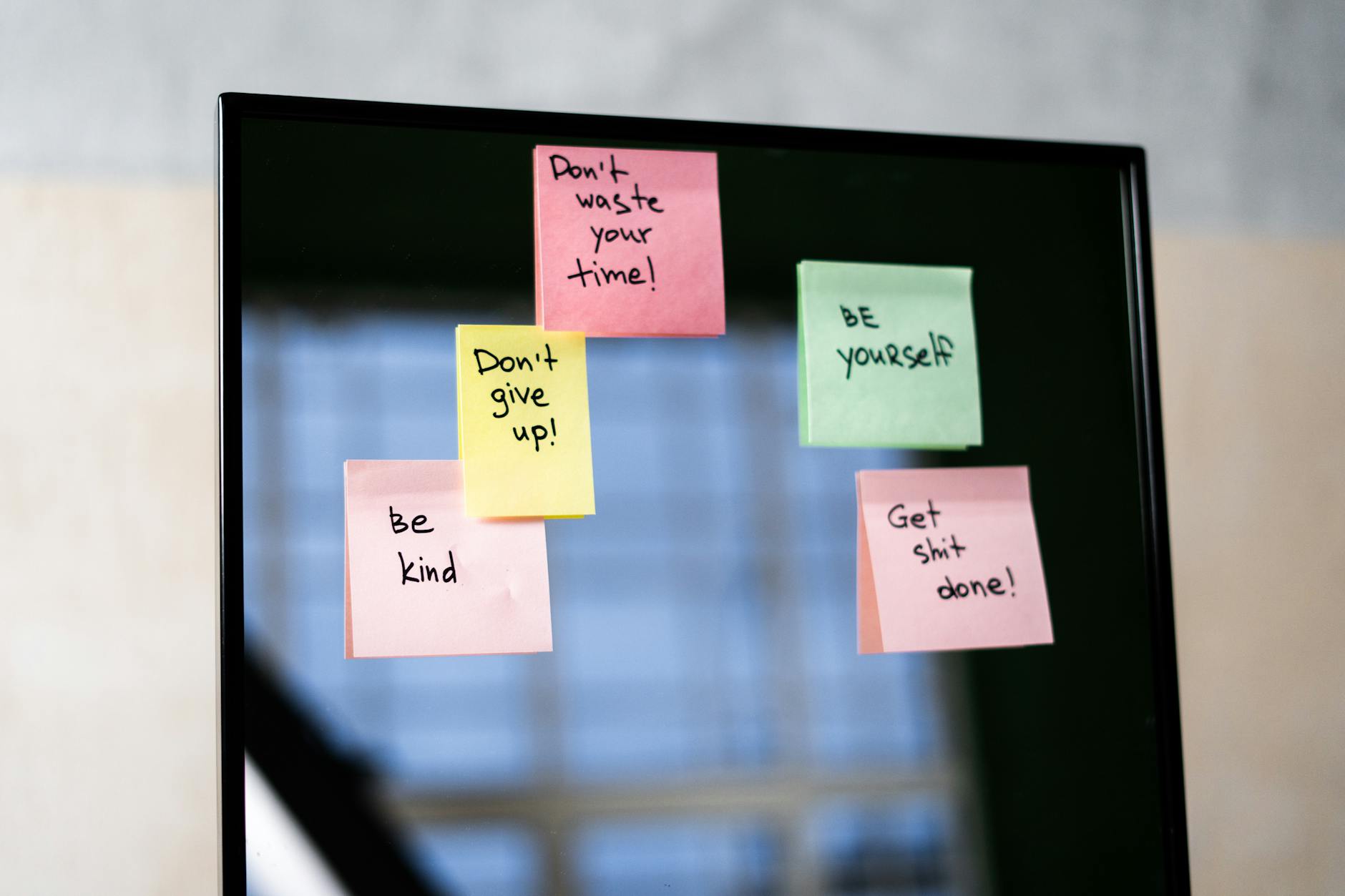
Visual affirmations can help you reclaim your sense of self if external pressures drag you down. Post uplifting statements where you’ll see them regularly—on your desk, computer, or even in your classroom. Every time you see them, pause and take a deep breath. This simple act reminds you that you can choose your thoughts and feelings.
A practical example for teachers: After a challenging class, instead of telling yourself, “This is impossible,” reframe it with, “I am learning from this experience and growing stronger.” It’s a slight mental shift, but over time, it rewires your brain to respond to stress with resilience rather than defeat.
Recharge With Affirmations Throughout the Day
Burnout often creeps in during quiet moments—during lunch breaks, planning periods, or the drive home—when the weight of the day sinks in. Combat this by integrating affirmations into these moments. Repeat statements like, “I release what I cannot control,” or “Every challenge I face makes me a better teacher.”
Consider using a tool like MindZoom Affirmations Software for an even more powerful recharge. MindZoom allows you to automate affirmations, seamlessly integrating positive messaging into your daily routine. Whether you’re at your desk, grading papers, or planning lessons, subliminal affirmations can work in the background to reinforce your resilience and optimism.
Reflect and Renew
At the end of each day, take five minutes to write down three positive moments from your day, no matter how small. This practice rewires your brain to focus on gratitude rather than stress. Pair this with evening affirmations like, “I am proud of what I accomplished today,” or “I am capable of handling whatever tomorrow brings.”
Your Next Step: Take Control of Your Mindset
If burnout feels like it’s winning, it’s time to take action. Reclaim your peace, energy, and joy with the power of affirmations. Tools like MindZoom Affirmations Software make it effortless to stay consistent and amplify the positive messages you’re sending yourself. Don’t let burnout define your year—equip yourself with the mindset tools to thrive.
Click here to discover how MindZoom can transform your teaching and your life.
Teachers are masters of crafting lesson plans, designing engaging activities, and aligning instruction to standards—all skills in high demand beyond the classroom. Freelance curriculum development allows educators to use their expertise to create learning materials for publishers, tutoring companies, or online platforms, often from the comfort of their homes. If you want to explore this rewarding and flexible career path, here’s how to start.
Why Curriculum Development Is a Great Fit for Teachers
Curriculum development is an ideal freelance niche for teachers because it leverages the skills you’ve already honed in the classroom:
Standards Alignment: Teachers understand how to create lessons that meet state or national standards, a key requirement for educational publishers and e-learning companies.
Engaging Instructional Design: Your experience designing lessons that captivate students translates perfectly to creating engaging, effective curriculum materials.
Subject Matter Expertise: Whether you teach math, science, history, or language arts, your deep knowledge of the subject makes you a valuable asset to clients.
Freelance curriculum development allows you to monetize these skills while contributing to student education on a larger scale.
Types of Curriculum Development Projects
As a freelance curriculum developer, you can work on a variety of projects, such as:
Lesson Plans and Activities: Design detailed lesson plans, hands-on activities, and project-based learning experiences for different grade levels.
Assessments: Create quizzes, tests, and performance-based assessments that measure student learning effectively.
E-Learning Content: Develop interactive online lessons, videos, and tutorials for e-learning platforms.
Textbook Supplements: Write teacher guides, student workbooks, and additional resources for educational publishers.
These projects can range from short-term assignments to long-term contracts, allowing you to choose what works best for your schedule.
How to Get Started in Freelance Curriculum Development
Getting started in freelance curriculum development doesn’t require a massive overhaul of your career. Here are some steps to help you transition:
Build a Portfolio: Showcase your best work by repurposing lesson plans, classroom activities, or assessments you’ve already created. Organize them into a professional portfolio that highlights your expertise.
Network with Educators and Companies: Reach out to former colleagues, join online communities of educators, and connect with companies specializing in educational content.
Search for Opportunities: Platforms like Paid Online Writing Jobs list freelance curriculum development jobs tailored to educators. These listings provide a direct path to finding clients who value your teaching experience.
Polish Your Skills: Consider learning tools like instructional design software or e-learning platforms to expand your capabilities and appeal to a broader range of clients.
The Benefits of Freelance Curriculum Development
Freelance curriculum development offers several benefits, including:
Flexibility: Work on your schedule and choose projects that fit your interests and availability.
Diverse Opportunities: Collaborate with various clients, from large publishers to niche online platforms.
Professional Growth: Stay connected to the world of education while developing new skills in writing, design, and technology.
Financial Rewards: Monetize your teaching expertise and potentially earn more than you would in a traditional classroom setting.
Find Your First Opportunity Today
If you’re ready to turn your teaching skills into a thriving freelance career, explore opportunities for Paid Online Writing Jobs. This platform connects educators with clients looking for curriculum developers, making finding projects that align with your expertise easily.
Final Thoughts
Freelance curriculum development is a natural extension of your teaching career. By leveraging your skills in lesson planning, instructional design, and subject expertise, you can create impactful learning materials while enjoying the flexibility of freelance work. Visit Paid Online Writing Jobs today and take the first step toward building a fulfilling new career in curriculum development.
Teachers have a treasure trove of creativity and unique experiences that make them ideal bloggers. From managing a bustling classroom to crafting engaging lessons, you already possess the storytelling and communication skills to write blog posts that capture attention and resonate with readers. Here’s how you can channel your classroom creativity into crafting engaging blogs that stand out and pave the way for paid opportunities.
Harness the Power of Storytelling
Storytelling is at the heart of effective teaching and is just as powerful in blogging. Use real-life classroom anecdotes to draw readers in and make your posts relatable. For example, share a funny or heartwarming moment from your day that ties into a larger theme or lesson. Stories help readers connect emotionally, making your blog posts more memorable and engaging.
When writing, think about:
The challenges and triumphs you’ve experienced as a teacher.
Unique perspectives or situations that your audience can learn from.
How to weave a compelling narrative that leads to actionable advice or insights.
Use Engaging and Accessible Language
As you adapt your language to reach diverse learners, you can use the same strategy to craft accessible and engaging blog posts. Avoid overly academic or jargon-heavy language; write in a conversational tone that feels approachable to readers. Use humor, analogies, or rhetorical questions to entertain your audience while driving your point home.
For example:
Instead of “pedagogical strategies,” say “teaching techniques that work.”
Use metaphors like “classroom chaos is a symphony in disguise” to paint vivid pictures.
Your ability to simplify complex ideas will help your readers feel informed without being overwhelmed.
Share Classroom Anecdotes as Lessons
The classroom is filled with stories that can become powerful blog content. Write posts that reflect on lessons you’ve learned, strategies that worked (or didn’t), or ways you’ve overcome challenges. These stories provide valuable insights and build trust with your readers, showing them that you’re authentic and relatable.
For instance:
“How I Used Art Projects to Foster Collaboration in My Classroom”
“What a Disastrous Lesson Plan Taught Me About Adaptability”
These posts resonate with educators, parents, and anyone interested in education, making them highly shareable and impactful.
Focus on Practical Tips and Takeaways
Readers love actionable advice. Whether you’re sharing classroom management techniques, lesson plan ideas, or tips for balancing work and life, always provide practical takeaways. Use bullet points, numbered lists, or subheadings to make your content easy to skim and reference.
Example tips:
“Three Creative Ways to Encourage Critical Thinking”
“How to Turn a Difficult Topic into an Engaging Lesson”
Practical posts position you as a valuable resource, encouraging readers to return to your blog for more.
Promote Blogging Opportunities
If blogging sounds like the perfect creative outlet, you can turn it into a source of income by writing for established blogs or creating your own. Platforms like Paid Online Writing Jobs make it easy to find paid blogging opportunities tailored to educators. Whether writing guest posts for education websites or building your portfolio, these resources can help you take your blogging to the next level.
Final Thoughts
Your classroom creativity is a powerful tool for crafting blog posts that inform, inspire, and engage readers. By using storytelling, accessible language, and relatable anecdotes, you can create content that stands out in the crowded blogging world. And with platforms like Paid Online Writing Jobs, you can turn your passion for writing into a rewarding side hustle or career. Start blogging today, and let your voice be heard!
Teachers possess a wealth of knowledge and skills that make them uniquely qualified for various writing careers. From creating educational content to sharing their classroom expertise, teachers can turn their experience into a lucrative side hustle or even a full-time job. If you want to monetize your knowledge, here are five writing niches perfect for educators.
Curriculum Writing
You’re already an expert in lesson planning and curriculum development as a teacher. This makes curriculum writing a natural fit. Educational publishers, e-learning platforms, and tutoring companies constantly seek professionals to create high-quality, standards-aligned content.
You can write lesson plans, worksheets, assessments, or full courses for different grade levels and subjects. Not only does this work draw directly from your classroom experience, but it also allows you to contribute to students’ learning journeys worldwide. Platforms like Paid Online Writing Jobs often feature opportunities in this niche, connecting you with clients who need your expertise.
Academic Editing
Teachers with strong language skills and attention to detail excel in academic editing. This niche involves reviewing and refining research papers, theses, and other scholarly documents to ensure they meet academic standards.
Your background in education equips you with the ability to spot errors, enhance clarity, and provide constructive feedback. This work is particularly rewarding for teachers passionate about helping students and academics present their best work. Explore academic editing roles on Paid Online Writing Jobs to get started.
Education Blogging
Education blogging is an excellent way to share your knowledge and establish yourself as a thought leader. You can write about teaching strategies, classroom management tips, educational trends, or personal anecdotes from your teaching journey.
Blogs can be monetized through sponsorships, affiliate marketing, or even creating premium content like eBooks or online courses. Many educators find blogging to be a creative outlet that also generates income. If you’re unsure where to start, look for blogging opportunities on Paid Online Writing Jobs and build your online presence.
Children’s Literature
If you have a knack for storytelling, writing children’s books could be your perfect niche. Teachers understand what captures kids’ attention and how to create engaging, age-appropriate content.
From picture books to middle-grade novels, children’s literature has a wide range of opportunities. You can self-publish your work or pitch to traditional publishers.
Educational Resource Creation
Beyond curriculum writing, teachers can create supplemental resources like study guides, flashcards, and online practice tests. These materials are highly demanded by students, parents, and educators.
Platforms like Teachers Pay Teachers allow you to sell your creations directly to other educators. At the same time, freelancing opportunities on sites like Paid Online Writing Jobs connect you with organizations looking for customized resources.
Final Thoughts
Teachers have a unique skill set that opens the door to various writing opportunities. By exploring niches like curriculum writing, academic editing, education blogging, children’s literature, and educational resource creation, you can monetize your expertise while making a meaningful impact.
Ready to get started? Visit Paid Online Writing Jobs to find niche-specific opportunities that match your skills and interests. Your writing career awaits!
Teachers possess a unique blend of skills that make them natural writers: a talent for storytelling, a knack for simplifying complex concepts, and an innate ability to connect with an audience. These abilities, honed in the classroom, can seamlessly transfer to various writing careers. Whether you want to supplement your income or explore a new professional path, your teaching experience is your secret weapon. Here’s how you can leverage it to build a successful writing career.
Recognize Your Transferable Skills
As a teacher, you’re already an expert in several key areas that are highly valued in writing. You have a natural ability to simplify complex information, which allows you to communicate ideas clearly and effectively to a wide range of audiences. This talent makes you ideal for content writing, curriculum development, or creating guides and manuals for various industries. Additionally, your experience in engaging an audience—capturing the attention of a classroom filled with students—equips you with the storytelling and communication skills necessary to write compelling articles, blogs, or even books.
Your organizational skills are equally important, honed through lesson planning and classroom management. These skills enable you to juggle multiple writing projects, meet deadlines, and produce polished work. Recognizing these transferable skills is the first step in realizing your potential as a writer and taking the leap into this exciting career.
Explore Writing Niches That Fit Your Expertise
Your teaching background gives you a unique edge in specific writing niches. For example, curriculum writing is a natural fit for educators already skilled in designing lesson plans and instructional materials. Many educational publishers and e-learning platforms constantly seek professionals who can create engaging and standards-aligned content.
Another niche to consider is education blogging, where you can share your insights on teaching strategies, classroom management, or the latest trends in education. These blogs can be highly impactful, helping other educators while establishing you as a thought leader.
Children’s literature might be the perfect avenue if you have a passion for storytelling. Writing books that entertain and educate young readers can be fulfilling and financially rewarding. Additionally, your expertise in academic standards makes you a valuable asset for academic editing, where you can help refine research papers, theses, or educational proposals. Each of these niches provides an opportunity to turn your teaching experience into a lucrative writing career.
Start Small: Building a Portfolio
You don’t need years of experience to start building your portfolio. Begin by repurposing materials you already have, such as lesson plans or classroom activities. These can be adapted into blog posts, eBooks, or sample articles that showcase your skills.
Volunteering to write for local organizations, school newsletters, or educational blogs is another great way to gain experience. Not only does this help you build a portfolio, but it also allows you to network with others in the field and uncover new opportunities. Guest blogging on established education websites is another effective strategy for getting your name out there and adding credibility to your portfolio. As you build your collection of work, you’ll become more confident in pitching your services to potential clients.
Tap Into Online Resources
The internet is a treasure trove of opportunities for teachers who want to break into writing. Freelance platforms like Upwork, Fiverr, and Freelancer are excellent places to find clients and projects. These platforms allow you to showcase your skills, bid on jobs, and build relationships with clients who value your expertise.
Job boards that focus on educational content, such as those hosted by teacher organizations, can also be a great resource. However, one of the best ways to streamline your search and find quality opportunities is through specialized services like Paid Online Writing Jobs. This platform connects you directly with writing gigs tailored to your skills and experience, making it easier than ever to get started.
Master the Art of Pitching
Many writing jobs begin with a strong pitch. When reaching out to potential clients, highlight your teaching experience and subject matter expertise. Emphasize your ability to create engaging, well-organized content that meets their needs. Even if you’re starting, you can use lesson plans or newsletters as writing samples to demonstrate your capabilities.
Tailor each pitch to the client’s requirements, showing that you’ve researched and understand their goals. The more personalized and professional your pitch, the better your chances of landing the job.
Balance Writing with Teaching
Starting a writing career doesn’t mean giving up teaching entirely. Many teachers begin by dedicating a few hours a week to writing projects. Whether it’s early mornings, evenings, or weekends, find a schedule that works for you and allows you to manage both responsibilities effectively. As you gain experience and confidence, you can decide whether to pursue writing full-time or keep it as a side hustle.
Let Your Passion Shine Through
The most successful writers write about topics they’re passionate about. Whether it’s sharing your love for a specific subject, helping others learn, or telling engaging stories, let your enthusiasm guide your projects. Clients and readers alike are drawn to writing that feels authentic and inspired.
The Next Step: Finding Opportunities
If you’re ready to take the next step, explore the resources available on Paid Online Writing Jobs. This platform is designed to help beginners like you find writing gigs that match your skills and interests. Its user-friendly interface and tailored job listings make it the perfect starting point for launching your writing career.
Final Thoughts
Your time in the classroom has equipped you with skills in high demand in the writing world. By recognizing your strengths, exploring niches, and leveraging resources like Paid Online Writing Jobs, you can turn your teaching experience into a fulfilling and lucrative writing career. Take the leap and start your journey from lesson plans to published pages today!