Unveiling the Power of Technology in Education: A Comprehensive Guide

photo of people doing handshakes
Photo by fauxels on Pexels.com

The Indispensable Role of Technology in Learning

Today, we’re witnessing a transformative phase in the educational landscape, significantly driven by technology. From creating engaging and immersive learning experiences to empowering educators and students with access to limitless resources, technology plays an indispensable role in modern education.

The progression from traditional chalk-and-board classrooms to interactive digital learning environments is not just a shift in teaching methods. It’s a change that enhances student engagement, collaboration, and personalized learning while opening avenues to global knowledge repositories.

Technological Integration: A Step-By-Step Implementation Guide

For any educational institution planning to embrace technology, it’s crucial to understand the implementation process. This will ensure a smooth transition and maximize the benefits of technology integration.

Step 1: Establish Clear Goals

Begin with a clear vision of what you wish to achieve. Establish the learning outcomes and the ways technology can enhance those. Whether it’s increasing student engagement, encouraging collaboration, or personalizing learning experiences, having clear goals will guide your technological integration.

Step 2: Assess the Infrastructure

Assessing the existing infrastructure is the next critical step. Determine the state of current resources, including hardware, software, and internet connectivity, and identify areas of improvement. This will ensure that the technology integration aligns with the institution’s capabilities.

Step 3: Professional Development for Teachers

Equip teachers with the necessary training to navigate the new technology. Professional development programs ensure teachers are comfortable using the tools, making their teaching more effective.

Step 4: Evaluate and Choose the Right Technology

Research and identify the technologies that align with your goals. Whether it’s learning management systems (LMS), interactive whiteboards, or student response systems, evaluate each based on their utility and compatibility with your institution’s needs.

Step 5: Gradual Integration and Constant Evaluation

Integrate technology gradually into the learning environment and constantly evaluate its effectiveness. This will ensure that the technology enhances the learning experience as intended.

The Impact of Technology on Student Engagement and Collaboration

The integration of technology in education can greatly enhance student engagement. Interactive tools and multimedia content cater to various learning styles, making the learning process more engaging and inclusive.

Additionally, technology fosters collaboration among students. Digital platforms enable students to collaborate in real-time, irrespective of their geographical location. This cultivates a sense of community and encourages peer-to-peer learning.

Technology and Personalized Learning

One of the significant benefits of technology in education is the opportunity for personalized learning. Digital platforms provide adaptive learning experiences tailored to individual students’ needs, thereby making learning more effective and enjoyable.

The Way Forward

With the growing influence of technology in education, it’s important for educational institutions to adapt and evolve. While the path to technological integration may seem daunting, it promises a future of enhanced learning experiences, better student engagement, and personalized education.

The future of education is undoubtedly intertwined with technology. It’s time to embrace this change and leverage the endless opportunities that technology presents to enhance learning experiences. With a strategic approach to implementation, we can ensure that technology serves as an effective tool in our mission to educate and inspire the next generation.


The Eclectic Educator is a free resource for everyone passionate about education and creativity. If you enjoy the content and want to support the newsletter, consider becoming a paid subscriber. Your support helps keep the insights and inspiration coming!

The Art and Joy of Building a Personal Library: An Enthusiast’s Guide

turned on floor lamp near sofa on a library room
Photo by Ricky Esquivel on Pexels.com

This post contains affiliate links. If you buy something through one of them, I earn a small commission at no extra cost to you. I only recommend things I’d actually use.

Updated April 2026


“When you stand inside somebody’s library, you get a powerful sense of who they are, and not just who they are now but who they’ve been… It’s a wonderful thing to have in a house.”

Lev Grossman

There’s something that happens when you walk into a room full of books that doesn’t happen anywhere else.

Don’t believe me? Go to your public library. Walk to the first stack you see and just stand there for a minute. Don’t browse. Don’t pull anything out. Just stand there and let it hit you.

That pull you feel — that sense that something in this room has something to say to you specifically — is real. And you can have it at home.

I started building my personal library seriously during the COVID-19 pandemic, when the world went quiet, and books became my primary companions. Three years later, my collection has grown into something that tells a story about who I was, who I am, and who I’m trying to become. Every shelf is a record of a season of life.

If you’ve ever wanted to build a personal library but didn’t know where to start — or if you have books scattered around your house in a state of benign chaos and want to bring some intention to them — this is your guide.


Why Build a Personal Library?

The most honest answer: because books deserve a home, not a pile.

But there’s more to it than organization. Nassim Nicholas Taleb has a provocative theory about this: “Read books are far less valuable than unread ones,” he writes in The Black Swan. “Your library should contain as much of what you do not know as your financial means allow. You will accumulate more knowledge and more books as you grow older, and the growing number of unread books on the shelves will look at you menacingly.”

He calls this an antilibrary — the idea that the books you haven’t read yet are the most important part of the collection, because they represent what you still don’t know.

I find this both humbling and motivating. My shelves are a constant reminder that the world is larger than what I’ve managed to read so far. That seems like exactly the right relationship to have with knowledge.

Beyond philosophy: a personal library is a tool for thinking. When you’re working through a problem — writing a dissertation, designing a curriculum, trying to understand a moment in history — having the right books physically accessible changes the quality of your thinking. You don’t have to remember where you read something; you just walk to the shelf.


Step One: Start With What You Already Have

The biggest mistake people make when deciding to build a personal library is thinking they need to start from scratch.

You probably have books already — scattered across rooms, stacked in corners, shoved into random shelves. Before you buy anything new, gather them. Pull them all into one place. Spread them out.

This exercise does two things. First, it shows you what you already have — including books you forgot you owned. Second, it shows you what kind of reader you are. The subjects that keep appearing, the authors you’ve collected multiple books from, the genres that dominate: that’s your intellectual fingerprint. It tells you what your library is already becoming.

From there, curating is mostly about intention. Each book you add should either deepen something you care about or open a door to something you don’t know yet.


Choosing Your Space

A personal library doesn’t require a dedicated room. It requires a dedicated intention.

If you have a spare room, great — you have the classic home library. If you don’t, here’s what actually works:

A single wall of shelving is enough to hold 200–400 books and to create a visual anchor that feels like a library, even in a living room. Floor-to-ceiling built-ins are the dream; adjustable freestanding shelves work perfectly well and can be rearranged as your collection grows.

A dedicated corner with a comfortable reading chair and good lighting becomes a library for practical purposes. The physical definition of the space matters more than its size.

Books throughout the house are also a valid approach. Many serious readers have books in every room — fiction in the bedroom, non-fiction and reference in the office, kids’ books in the living room. The “library” is the whole house.

The key requirement, whatever the space is, is to keep it quiet, keep it well-lit, and make it somewhere you want to spend time.


The Tools That Make a Real Library

This is where most personal library guides fall short — they talk about books without talking about the physical tools that make a collection feel cared for and functional.

Bookshelves

The shelf is the foundation. Get something sturdy enough to hold the weight (books are heavy), adjustable enough to accommodate different sizes, and attractive enough that you want to look at it.

Bookends

You need these. Books left without support lean, warp, and damage their spines over time. A good pair of bookends is both functional and a small aesthetic statement.

Cast iron bookends are my preference — heavy enough to actually work, and they look like they belong in a library.

Bookplates and Date Stamps

This is one of my favorite parts of owning a physical library. Bookplates — small labels that go inside the front cover — are how you mark a book as permanently yours, the way institutional libraries have done for centuries. They’re inexpensive, and they make every book feel owned rather than acquired.

I use a date stamp to record when I add a book to the collection — an idea I shamelessly stole from Austin Kleon. There’s something satisfying about a record of when things arrived.

Bookplates are available in a dozen styles on Amazon — classic Ex Libris designs, modern minimalist, even customizable with your name.

Reading Accessories

A library is also a reading space. A few things that earn their place:

  • A good reading light — clip-on LED lights for late-night reading without disturbing anyone.
  • Page holder/book stand — for reading large reference books or keeping a book open while you take notes.
  • Sticky flag tabs — my standard tool for marking passages while I read, so I can return to them without stopping to take notes.
  • Blackwing pencils — for writing in the margins. Yes, I write in my books. It’s a thing, and it’s fine.

Organizing Your Personal Library

There is no wrong answer here. The only organizational system that matters is one you’ll actually maintain.

That said, here are the approaches worth considering:

By genre and subject — the most intuitive for most readers. Fiction in one section, history in another, science in another. Easy to find things, and browsing by section often leads to serendipitous rediscoveries.

Alphabetically by author — precise and unambiguous. Takes the guesswork out of finding anything specific. Works best once a collection is large enough that “roughly where it should be” is no longer good enough.

By reading status — unread, read, re-read. This is closer to Taleb’s antilibrary philosophy: keeping the unread books prominent reminds you of what’s still waiting.

By color — visually stunning, practically useless for finding anything. I don’t recommend this for a working library, but it photographs beautifully.

My own shelves use a hybrid: broad subject categories, with each alphabetized. It’s imperfect, and I’m fine with that.

Cataloging Your Collection

Once you have more than a few hundred books, a catalog becomes genuinely useful. The best tool for this is LibraryThing or Goodreads — both let you track what you own, what you’ve read, and what you want to read. LibraryThing has better collection management features; Goodreads has a larger community and better reading tracking.

Scan ISBN barcodes with your phone, and both apps will auto-populate title, author, and cover art. A collection of 500 books can be cataloged in a couple of evenings.


Where to Find Books

New books from independent bookstores — this is how I prefer to buy. Bookshop.org lets you shop online while supporting independent bookshops; worth knowing about as an alternative to Amazon when you’re buying books specifically.

Amazon — fast, reliable, often the best price on new releases. My Amazon Associates links throughout this post are the honest version of this recommendation.

ThriftBooks and AbeBooks — excellent for used books, out-of-print titles, and building a collection affordably. ThriftBooks, in particular, has very good condition grading and free shipping over a low threshold. Thriftbooks also has an educator program that gets you a free book for every five books you order – I use this too much…

Used bookstores and library sales — the treasure-hunting approach. You rarely find what you were looking for, but you almost always find something worth having. Library book sales are especially good for building deep collections in specific subjects at very low cost.

Estate sales and thrift stores — more misses than hits, but the hits can be remarkable. Old hardcovers in good condition for a dollar or two.


Creating the Right Atmosphere

The physical space matters. A collection of excellent books in a harsh, uncomfortable room is still an uncomfortable room.

Seating — you need somewhere to sit and read in or near your library. A good reading chair — something with arm support, comfortable back support, and the right height for reading — is worth the investment.

Lighting — a combination of ambient overhead light and a dedicated reading lamp. Warm light (2700–3000K color temperature) is easier on the eyes during long reading sessions than cool white light. LED floor lamps with adjustable color temperature work well.

Personal touches — artwork, plants, a small table for your coffee or tea, objects that mean something. This is your space. The books should be surrounded by other things you care about.


A Note on Digital Books

I read on my Kindle. I also own physical books of almost everything I’ve read on my Kindle that I thought was worth keeping.

These are not competing formats. They serve different purposes. The Kindle is for commuting, travel, and reading in the dark. Physical books are for reference, re-reading, and the library itself. If I read something on Kindle that earns a permanent place in my thinking, I buy the physical copy.

The Kindle Paperwhite remains the best e-reader for serious readers — good screen, long battery, excellent library integration. But it doesn’t replace the shelf.


FAQs

How many books do I need to start? No minimum. Fifteen books arranged with intention on a single shelf is a personal library. Start where you are.

How much does it cost? As much or as little as you want. A library built entirely from used books, thrift stores, and library sales costs almost nothing. A library of new hardcovers in dedicated built-in shelving costs quite a bit. Most real libraries land somewhere in between.

How do I maintain it? Dust occasionally. Keep books out of direct sunlight (UV fades spines and damages paper). Keep them away from high humidity. Don’t store them flat — books shelved warp horizontally over time. That’s really it.

Should I loan books out? I have opinions about this. Lend books you’re comfortable with the possibility of not getting back. For books that matter to you, buy a second copy specifically for lending. You’ll be happier.

What about books I’ve read and didn’t love? Donate them, give them away, sell them. A library should be curated, not comprehensive. The books that stay should be the ones you’d read again, recommend, or refer back to. The rest can go find a new reader.


The Last Word

Building a personal library is a long game. It takes years to assemble a collection that genuinely reflects who you are, and it should — because who you are keeps changing, and a good library should change with you.

Start small. Buy the books you love. Add the books you’re curious about. Make the space comfortable enough that you want to spend time in it.

The rest happens on its own.


My own collection lives and grows at the intersection of speculative fiction, history, education, and whatever I’m obsessing about this year. If you want to know what I’m reading, I share updates in my newsletter. And if you want to see the tools I use for reading and note-taking, they live on my Favorite Gear page.

Reading, Writing, but maybe not ‘Rithmetic

Summer Starfighter, a sleek interstellar vessel with a polished silver hull reflecting the setting sun, intricate markings adorning its wings like tribal tattoos, Coastal cityscape during twilight, skyscrapers casting long shadows onto the shimmering sea, the atmosphere tinged with both anticipation and tranquility as the starfighter hovers, ready for takeoff, Photography, captured with a Canon EOS 5D Mark IV, 24-105mm lens

Greetings starfighters. It’s time for another edition of “10 Things” worth sharing with you. It’s almost the end of the school year here in the Bluegrass, and my thoughts turn to summer and to my daughter’s impending move to middle school. I’m old.

Anyway, I hope your life is just as interesting. Perhaps some of these shares will make it even more so.

10 Things Worth Sharing

-I read around 100ish books per year, but as a doctoral student, I’m having to read more. Here are some tips from two experts on how you can read more than you thought possible.

-If you’re in grad school, these books will help you get through and maintain your sanity.

-Some thoughts on how we can avoid raising machines (hint: let’s stop standardized testing) and raise humans.

-I put together some quick resources on Juneteenth that you may find helpful. I know most schools aren’t in session by the time Juneteenth rolls around, but we can’t overlook teaching this important date.

-One of my elementary teachers (and Future Shift Fellowship cohort member) created a podcast with her students. Actually, the students did all the work. It’s pretty awesome.

-Friend and professor John Nash, Ph.D., has done some amazing work with AI in his classes. In a recent episode of his podcast, he talks about testing AI and what does and doesn’t work.

-Fun stuff: if you’re of a certain age, you may remember The Midnight Special. What you may not know is that the show is back, thanks to the official YouTube channel.

-Have you ever seen a copy of Shakespeare’s First Folio? Here’s your chance.

How Makerspaces in Schools Can Support Student Mental Health

-Final thoughts: Daft Punk released a tenth-anniversary edition of Random Access Memories, including what may be the “last Daft Punk song ever” and I’m totally not over it yet.

BONUS: As I was compiling this list, I got the notification that you can now provide input on the National Educational Technology Plan. Polls are open for K-12 Educators and Families. Please take some time to let your voice be heard. This is the first time since COVID-19 hit that this important policy document is getting an update. You can access the links to either poll right here.


Thanks for reading. The end of the school year means we’re officially in the “dads and grads” gifting season. I’ve put together a couple of book lists for quick and easy gifting. Here’s one for dads and one for grads. Enjoy!

Largest Book Publisher Joins Forces to Combat Book Banning

books in basket selling outdoors
Photo by Ahmed ツ on Pexels.com

Penguin Random House, the leading book publisher in the nation, has partnered with PEN America in a significant endeavor to challenge book banning. In an ongoing legal battle, they have joined a coalition comprising parents, authors, and concerned individuals who filed a federal lawsuit against the imposition of bans in Escambia County, Florida.

Escambia County, situated in northwest Florida, has recently enacted restrictions on or removed a minimum of 16 books from public school libraries and classrooms. The banned books encompass a wide range of literary works, including the debut novel of a Nobel Prize laureate and a beloved coming-of-age bestseller from the 1990s.

Among the contested books is “The Perks of Being a Wallflower,” which not only achieved success as a novel but also gained popularity as a hit movie. Last autumn, a local high school teacher raised objections to this book and over a hundred others, prompting Christian activists to voice their concerns at multiple school board meetings.

One such activist, Aaron Schneier, a parent from Pensacola, defended the removal of books, arguing that it does not constitute censorship to exclude explicit or sexually provocative literature from school settings. School board member Kevin Adams supported the removal of “The Perks of Being a Wallflower” from the optional 12th-grade novel study, emphasizing the need to establish standards of conduct and manners for students that align with his personal values.

Suzanne Nossel, the executive director of PEN America, expressed the organization’s commitment to defending free speech. Over the past two years, PEN America has meticulously documented more than 4,000 cases of book bans or removals. Escambia County’s situation was deemed particularly egregious, prompting the decision to file this lawsuit. The plaintiffs involved include affected parents, students, Penguin Random House as an affected publisher, and other concerned individuals. They collectively advocate for the intervention of the judicial system to uphold constitutional rights.

Among the plaintiffs is Ashley Hope Perez, an acclaimed writer whose bestselling book, “Out of Darkness,” depicts a love story between a Mexican American girl and an African American boy. Perez humorously remarks that her book is “super banned,” having faced bans in numerous locations, including Escambia County. She observes a recurring pattern wherein books like hers become targets for removal by groups such as Moms for Liberty, which offer pre-prepared talking points. Perez further highlights the lack of substantive engagement with the content of these books, often accompanied by repetitive typographical errors.

While Perez prefers open discussions over legal battles, she recognizes the necessity of utilizing the tools of democracy during this critical moment. She emphasizes that young people seek narratives that are not sanitized but rather provide opportunities to explore challenging issues and imagine lives different from their own.

In response to the mounting pressure, the Escambia School Board announced a temporary halt to book challenges, extending indefinitely. NPR’s attempts to obtain comments from the school board went unanswered.

The joint efforts of Penguin Random House, PEN America, and the coalition of plaintiffs underscore a broader fight against book banning, advocating for the preservation of intellectual freedom and the exploration of diverse perspectives.


The Eclectic Educator is a free resource for everyone passionate about education and creativity. If you enjoy the content and want to support the newsletter, consider becoming a paid subscriber. Your support helps keep the insights and inspiration coming!

Get Trained for a New Job in Data Analytics in 6 Months? Google Thinks So

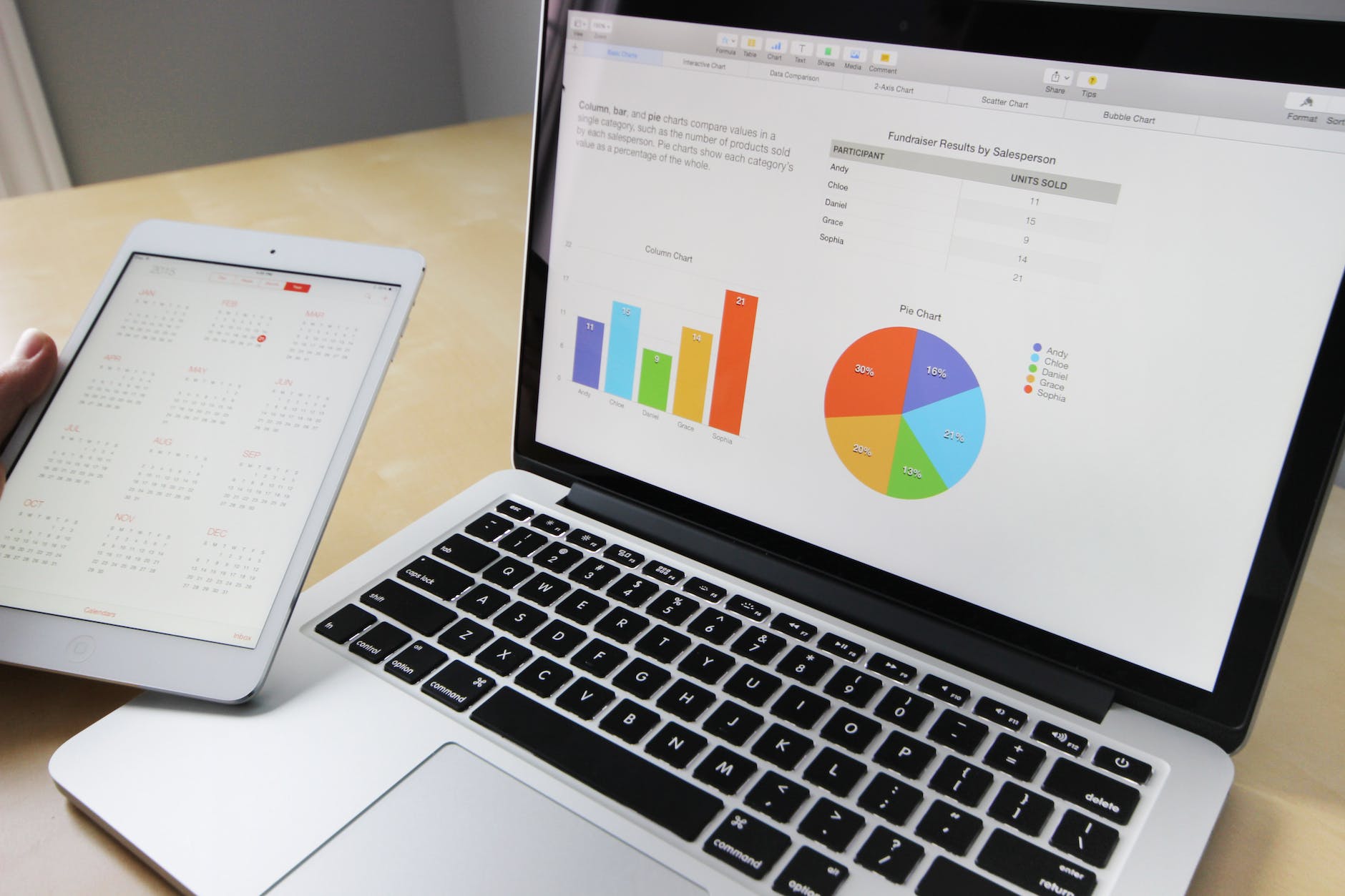
business charts commerce computer
Photo by Pixabay on Pexels.com

In another shift away from the standard view of job prep and education, Google, in partnership with Coursera, have introduced two new courses to get students a professional certificate in six months.

While the bureaucrats continue to ban books, undermine progressive education, and attempt to influence a generation on the necessity of backward thinking, the business world continues to think of new ways to get people into jobs more quickly by cutting out the traditional paths to careers.

We’re only going to see more and more of this type of shift to training usable skills that allow more flexibility for young people, or those who want to start anew.

Meanwhile, public education will continue to slug it out with pompous gasbags who don’t want anything to change yet continue to blame public education for all evils.

The Best Books to Help You Get Through Grad School in 2023

woman sitting in front of macbook
Photo by energepic.com on Pexels.com

This post contains Amazon affiliate links

I’m sure when many professionals look back on their grad school experience, there are a few things they’d tell their past selves.

“Slow down.”

“Pace yourself.”

“Take care of yourself.”

Face it, grad school requires a ton of time and effort. And many grade students are working full-time while they’re in school, adding to the pressure and lack of time to complete school work.

Yes, there’s lots to do in grad school, but taking time for yourself is still important. Doing well in grad school is important, too, but if you don’t take care of yourself, your accomplishments in school are for naught.

So, let’s get back to your reading habit.

Reading books can help you develop new habits, stay motivated, and increase your energy levels. And reading keeps your brain engaged more than binging 17 seasons of your favorite shows on Netflix (although, sometimes, you need a binge).

Reading for Leisure

I have lots of reading to do in my studies. Let’s face it: most reading for grad school is NOT fun. It may be interesting and, hopefully, informs your work, but it’s not stirring anything deep in your soul.

Should you read for pleasure when you’re in grad school? OF COURSE!

Even if you get in just a few hours a week of reading your favorite genre, you will benefit. Don’t overlook the benefits of jumping into another world for a few hours and forget about the pressures of grad school.

Let’s take a look at some books to help you in your grad school journey. These books cover the writing process, productivity, self-care, and some fun reads.

Books to Improve Your Writing Skills

How to Write a Lot: A Practical Guide to Productive Academic Writing by Paul Silvia

If you’re having trouble making headway with your writing, you might want to check out “How to Write a Lot” by Paul Silvia. It’s not going to turn you into Shakespeare or anything, but it can help you build good writing habits and make it easier to separate your writing time from your personal time. The book breaks the writing process down into bite-sized chunks, making it easier to tackle and giving you plenty of opportunities to celebrate your progress. Definitely worth a shot – you might be surprised at how much you can get done.

Bird by Bird by Anne Lamott

This book is a total classic, and it’s all about how to write and how to get over writer’s block and all those pesky mental roadblocks that get in the way of writing. It’s not specifically about grad school or academia, but it’s on this list because it’s basically the bee’s knees when it comes to writing advice.

The title comes from a story the author wrote when she was a kid about writing a paper about birds. Like “How to Write a Lot,” this is all about taking it slow and steady, tackling one small task at a time.

Several Short Sentences About Writing by Verlyn Klinkenborg

A unique book that can help snap you out of typical academic writing mode “…thus the present findings elucidate a novel method for exploring the behavior and interactions of…”

Almost poetic. Almost rhythmic. Straight to the point. The author explains in free form the fallacies and illusions of forming sentences and getting them onto the page. This will force you to re-think your mental process resulting in better sentences and better papers.

The end of the book covers examples of common sentences and calls out the superfluous wording, re-writing it with only the essentials.

Writing Your Dissertation in Fifteen Minutes a Day: A Guide to
Starting, Revising, and Finishing Your Doctoral Thesis by Joan Bolker

If you’re lacking motivation, struggling to get started every day, or
are completely overwhelmed by the massive task at hand, give this book a look. It doesn’t offer any real advice on the details of a dissertation
but instead aims to instill confidence in the reader. The author guides
you through setting daily page goals, storing ideas, and getting
something–anything–down on the page each day. Essentially a personal
confidence coach for writing, applicable to more than just a
dissertation.

The Literature Review: Six Steps to Success by Lawrence Machi

Starting your literature review is the hardest part. It feels like a
daunting task without a clear path to success. This book helps break
down each step in the process into achievable goals supplemented by
strategies for efficiently and effectively approaching each one. The few
hours spent reading this book will be paid back to you in saving time
researching and writing later.  It will help save your sanity and reduce
anxiety approaching your first literature review.

Books to Increase Your Productivity and Focus

The Miracle Morning by Hal Elrod

This book has been instrumental in maintaining my sanity. Hal Elrod’s book shares his technique of six popular morning routine practices: exercise, reading, journaling, visualization, affirmations, and meditation. He started doing all of them every morning after a near-fatal car accident left him physically and mentally impaired. He refined the timing and intentions around each practice and shared it with friends, which exploded by word-of-mouth. Eventually, he wrote a book to share the technique with the world.

This book is highly recommended for anyone with a self-driven and self-structured workday, like a typical grad student. Read it soon to see how it can greatly impact your life.

Getting Things Done by David Allen

In my mind, this book is the bible of productivity.

“The Getting Things Done (GTD) program is designed to help you do the things you have to do with less time, energy, and effort so you can do more of the things you want to do.

The crux of the GTD system is to store every task, reminder, and note bouncing around your brain in an external organization system to free up your mental energy to actually focus on the task at hand. Your brain is great at creating and processing things but not at remembering them, so trying to keep track of everything in your head saps your brainpower from doing what your mind does best.

For more great books for grad students, check my ever-growing list right here.


The Eclectic Educator is a free resource for everyone passionate about education and creativity. If you enjoy the content and want to support the newsletter, consider becoming a paid subscriber. Your support helps keep the insights and inspiration coming!

It Takes Practice to Become an Expert

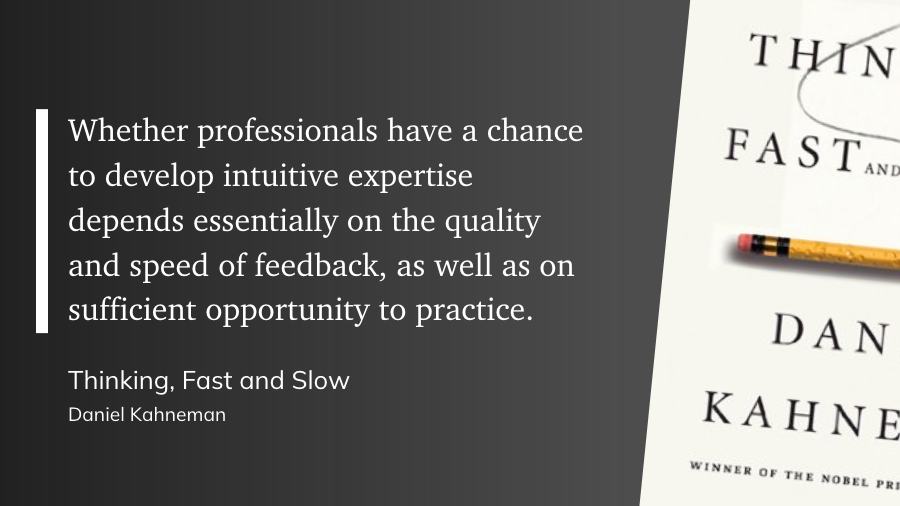
"Whether professionals have a chance to develop intuitive expertise depends essentially on the quality and speed of feedback, as well as on sufficient opportunity to practice." (Daniel Kahneman, Thinking, Fast and Slow)
Thinking Fast and Slow by Daniel Kahneman

To become an expert at something, you have to practice that something.

Doctors and lawyers often use the term “practice” to describe their daily work.

Educators are the same. We practice every day. And we get a little better every day.

So do our students. Provided we allow them to practice.

This idea is at the heart of student-centered instruction. We serve to guide them along their path; they choose the path.

And they choose how long they stay on that path. The more passion they have, the longer and harder they will work.

The more we walk all over their practice time with test prep and meaningless teacher talk designed to keep us in control, the less engaged our students will be.

Less engagement means they practice other things. And so begins the cycle.

Let them practice; let them learn.


The Eclectic Educator is a free resource for everyone passionate about education and creativity. If you enjoy the content and want to support the newsletter, consider becoming a paid subscriber. Your support helps keep the insights and inspiration coming!

How to Use Notion to Create a Zettelkasten System for Note-Taking

a student taking notes in a dark room

If you’re looking for a note-taking method that combines the flexibility of digital notes with the structure of a physical card-based system, the Zettelkasten method might be just what you need. In this post, we’ll explore using Notion to create a Zettelkasten system that matches your unique needs and preferences.

What is Zettelkasten?

The word Zettelkasten is German for “note box.” The Zettelkasten method is a note-taking system that was developed by the 20th-century German sociologist Niklas Luhmann. It involves recording individual ideas on small index cards (or Zettels) and organizing them in a way that allows you to easily connect and refer to related ideas.

The purpose of a Zettelkasten system is to create an interconnected web of ideas that reflects how you think. Rather than simply collecting notes, a Zettelkasten system emphasizes connecting, indexing, and recalling information. By doing so, it allows you to generate new insights and ideas that you might not have otherwise discovered.

How to Create a Zettelkasten System in Notion

Notion is a powerful note-taking app that works well for creating and organizing a Zettelkasten system. Here’s how to create your own Zettelkasten in Notion:

Step 1: Create a Database

Start by creating a new database in Notion. You can do this by clicking on the “Add a Page” button in the sidebar and selecting “Database” from the options.

Step 2: Set Up Your Database

Once you’ve created your database, you’ll need to set it up to match the structure of your Zettelkasten system. Here’s an overview of the most important fields you’ll want to include:

  • Title: This is the name of your note.
  • Note: This is the body of your note, where you’ll record your ideas and thoughts.
  • Tags: Use tags to help you organize and sort your notes. You can use multiple tags per note, but be careful not to overdo it.
  • Next Entry Point: This field allows you to connect related notes together. If a note is a continuation of another note, you can use this field to indicate that connection.
  • Last Entry Point: This field tells you which note the current note is connected to. It’s the opposite of the “Next Entry Point” field.
  • Type: This field indicates whether a note is a main idea, a continuation note, or a subordinate note.

Step 3: Use Unique IDs

To avoid confusion and ensure that you can easily find and connect related notes, it’s a good idea to use unique IDs for each note. These IDs can be simple time stamps or more complicated alphanumeric codes.

Step 4: Use Tags Wisely

Tags are a key part of organizing your Zettelkasten system, but it’s important to use them wisely. In general, you should aim to use just one or two tags per note. To determine which tags to use, ask yourself what the note is about and what other topics it relates to.

Step 5: Use Templates

Notion templates can save you a lot of time and effort when creating your Zettelkasten system. For example, you can create a template for inserting a new note, a template for adding a keyword, or a template for adding a link to a book or article.

Step 6: Use Inline Links

Inline links are a powerful feature in Notion that allows you to quickly link to other notes, books, or articles. To create an inline link, use the double square bracket syntax (i.e., [[note title]]). Notion will automatically create a link to the note with that title.

Step 7: Use Comments

Comments are another useful feature in Notion that can help you keep your notes organized and easily navigate. You can use comments to add definitions, highlight important points, or add reminders to yourself.

Step 8: Use Formulas

Notion formulas can help you automate many aspects of your Zettelkasten system. For example, you can use formulas to calculate the century of a year (e.g., 1950 is in the 20th century), sort notes by tag or keyword, or automatically populate fields based on other fields.

Step 9: Use Views

Notion views allow you to see your notes differently, depending on your needs. For example, you can create a view that shows all notes sorted by date, a view that shows only notes with a certain tag, or a view that shows notes in a certain category.

Conclusion

The Zettelkasten method is a powerful note-taking system that can help you generate new ideas, insights, and connections. By using Notion to create your Zettelkasten system, you can take advantage of the app’s powerful features and customization options to create a note-taking system that matches your unique needs and preferences.

Creating Smart Notes to Organize Your Thinking

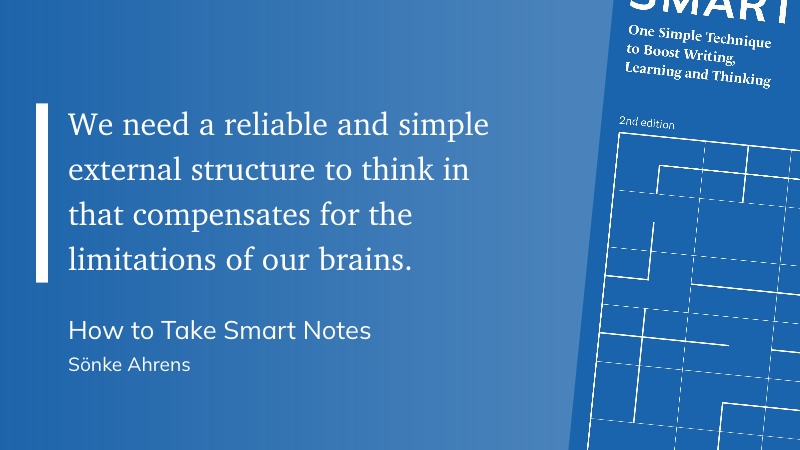
"We need a reliable and simple external structure to think in that compensates for the limitations of our brains." (Sönke Ahrens, How to Take Smart Notes)

In the world of continuous learning, taking notes is an essential part of the process. However, not all note-taking methods are created equal. In his book “How to Take Smart Notes,” Sönke Ahrens introduces the zettelkasten note-taking system, a method used by German sociologist Nicholas Luhmann to write 58 books and over 500 academic papers.

The zettelkasten system is a remarkable way of connecting index cards to simplify the way in which you write the first draft of your book, academic paper, business plan, or article. It uses a two-stage filter to prevent mediocre ideas from diluting existing notes. Here’s a breakdown of how the system works:

Stage One: Capture Literature Notes and Fleeting Notes When making notes, capture literature notes by highlighting passages in your ebook reader or taking notes in a mobile note-taking application. You can also capture sections of online articles or podcasts that discuss the topic you’re researching. You can also capture fleeting notes by writing down random ideas that come to your mind throughout the day.

Stage Two: Create Permanent Notes Once a day, preferably at the same time every day, go through your literature notes and fleeting notes from the past 24 hours. Determine which notes you should convert to permanent notes. Two criteria for converting a note into a permanent note are:

  • Does this note produce a similar level of excitement as when you first captured it?
  • Does this note add value to other permanent notes?

If an idea from your literature notes or an idea from your fleeting notes meets those two criteria, make it a permanent note by rewriting it on an index card. Add a location code prefix to the title, a list of keywords in the top right corner, and links to permanent notes in the bottom right corner.

One of the advantages of the zettelkasten system is its bottom-up approach to writing. Rather than outlining your book or article from the start, the system encourages you to follow your curiosity, generate a list of keywords as you go, and organically grow an outline over time. By adding keywords to every permanent note, you can group notes together and quickly find relevant notes.

Location Code Prefix When you prefix every permanent note title with a location code, you make it easy to reference your notes later on. The first note you add to your zettelkasten system will have one prefix to its title, and your second note will have a two prefix to its title. If your third note builds off the first note, it should go between notes 1 and 2 and have the code 1a prefixed to its title.

List of Keywords Identifying keywords is as important as taking notes. Aim to add one to three keywords to the top right corner of every permanent note. Identify keywords by asking yourself what one word or phrase relates this note to existing notes. When you develop a new keyword or phrase, put it on your master index, located on an index card at the very front of your index card box.

Note Links A new permanent note may have many potential friends in your zettelkasten system. If a note could fit nicely behind note 12a1 but it also relates to notes 2b1 and 24b, don’t spend too much time debating where the note should go. Simply put it behind 12a1 by giving it the code 12a2 and write down the location codes for related notes in the bottom right corner of the note. These links will be helpful when you write your first draft.

To summarize, start by capturing literature notes and fleeting notes in a mobile note-taking application. Then, convert a select few into permanent notes by rewriting them on index cards. Continuously update your master index with keywords and use it to outline your first draft. Go through your zettelkasten system sequentially, one card at a time, and effortlessly write your first draft. The zettelkasten system is an incredibly powerful tool for anyone looking to improve their note-taking and writing skills.

So, what are you waiting for? Give the zettelkasten system a try, and transform how you take notes forever!

Juneteenth: A Celebration of Freedom

celebrating juneteenth

Introduction

It’s important to recognize and commemorate significant events in American history. Juneteenth is just such an event, celebrated on June 19th each year. Juneteenth is an important date in American history because it commemorates the end of slavery in the United States.

The History of Juneteenth

On January 1, 1863, President Abraham Lincoln issued the Emancipation Proclamation, which declared that all slaves in the Confederate states were to be set free. However, it wasn’t until two and a half years later, on June 19, 1865, that Union General Gordon Granger arrived in Galveston, Texas, to announce that the Civil War had ended and that all slaves were now free. This announcement came two months after General Robert E. Lee had surrendered at Appomattox, Virginia. The news of the Emancipation Proclamation and the end of the Civil War had not reached Texas until then.

The newly freed slaves in Texas celebrated their newfound freedom with great joy and jubilation. They held parades, sang songs, and read the Emancipation Proclamation out loud. This day became known as Juneteenth, a combination of the words “June” and “nineteenth.”

Why Juneteenth is Important

Juneteenth is an important date in American history for several reasons. First, it marks the end of slavery in the United States. Although the Emancipation Proclamation had been signed two and a half years earlier, it wasn’t until Juneteenth that the news reached all of the states. This day symbolizes the end of a dark period in American history and the beginning of a new era of freedom and equality.

Second, Juneteenth celebrates the resilience and perseverance of the African American community. Despite years of slavery and oppression, African Americans were able to maintain their culture, traditions, and sense of community. Juneteenth is a celebration of their strength and determination.

Finally, Juneteenth is a reminder that the fight for civil rights and equality is ongoing. Although slavery was abolished over 150 years ago, systemic racism and inequality still exist in America today. Juneteenth serves as a call to action to continue the work of those who fought for freedom and equality in the past and to work towards a more just and equal society for all.

Resources for Teaching about Juneteenth

10 Powerful Books for Adults, Teens, and Kids to Celebrate and Understand Juneteenth

For children:

Addy: An American Girl

In this American Girl classic, Addy Walker is a young slave living in 1864 who dreams of escaping to freedom with her family. However, their plans are foiled when their owner decides to sell Addy’s father and brother to a different plantation. Left with only her mother, Addy must escape alone and hope to reunite with her family in Philadelphia. Follow Addy’s courageous journey as she adjusts to life as a free person in the North and strives to be reunited with her loved ones.

Freedom’s Gifts: A Juneteenth Story

Young Black girl June celebrates Juneteenth, while her cousin Lillie celebrates the Fourth of July. Can June teach Lillie the importance of Juneteenth at the family picnic?

All Different Now: Juneteenth, the First Day of Freedom

This picture book tells the story of a little girl’s liberation on the first Juneteenth. The book includes notes from the author and illustrator, a timeline of notable dates, and a glossary to help children understand the significance of Juneteenth.

I Thought My Soul Would Rise and Fly: The Diary of Patsy, a Freed Girl

This Coretta Scott King Honor winner tells the story of Patsy, a 12-year-old girl living in Mars Bluff, S.C., after the Civil War. Written in diary format, the book follows Patsy as she observes the changes around her and embraces her newfound freedom to read and write. Through her own determination, Patsy creates a better life for herself and her fellow formerly enslaved people.

For teens:

Crossing Ebenezer Creek

During the Civil War, General Sherman leads Union soldiers through Georgia, setting enslaved Mariah and her younger brother Zeke free. The two join the march for protection, but as Mariah dreams of a better life for herself and her people, the harsh realities of slavery continue to weigh on her.

Stamped: Racism, Antiracism, and You

Preteens and teenagers who are too young to read Ibram X. Kendi’s Stamped from the Beginning can still learn about antiracism from his collaboration with young adult author Reynolds. The book uses critical race theory, history, and pop culture references to keep young readers engaged.

For adults:

The Deep

This novella is a fantasy story inspired by the song “The Deep” from Clipping, a Hugo Award-nominated rap group led by Daveed Diggs. It follows the descendants of African enslaved women who were thrown overboard during their journey to America, now living under the sea. Yetu, a historian, must remember her people’s traumatic past since no one else can. But she escapes to the surface, discovering the world her people left behind and the traumatic memories held there.

Between the World and Me

In this essay about race, Coates writes a letter to his son about his life as a Black man, his fears and dreams for his son, the nature of the Black body in America, and his aspirations for the Black community. Coates weaves an intimate look into Blackness in America.

Stamped from the Beginning: The Definitive History of Racist Ideas in America

In this deep dive into Black history, Ibram X. Kendi details the history of anti-Blackness in America, from the first enslaved people to today. He highlights five key historical figures in American and Black history: Cotton Mather, Thomas Jefferson, William Lloyd Garrison, W.E.B. Du Bois, and Angela Davis. Each represents the attitudes of their era and played a significant role in the fight for or against abolition, segregation, assimilation, or equal rights.

The Brightest Day: A Juneteenth Historical Romance Anthology

Romance fans will enjoy this anthology about love and hope after Juneteenth. The stories cover various topics, from the day enslaved people were freed to a Juneteenth-themed cruise, out-of-wedlock pregnancy in the early 20th century, and boxing rings during the Civil Rights Movement. Each story captures love and Black joy during difficult times.

On Juneteenth

In this book, Pulitzer Prize-winning historian Gordon-Reed discusses the history of slavery in America, leading up to the events that culminated in Juneteenth. She also weaves together American history and her own family history to pay tribute to the integral role of Black people in shaping Texas. The author previously wrote Thomas Jefferson and Sally Hemings: An American Controversy, which challenged Americans’ perception of the founding father due to his exploitative relationship with Sally Hemings, an enslaved woman on his plantation.