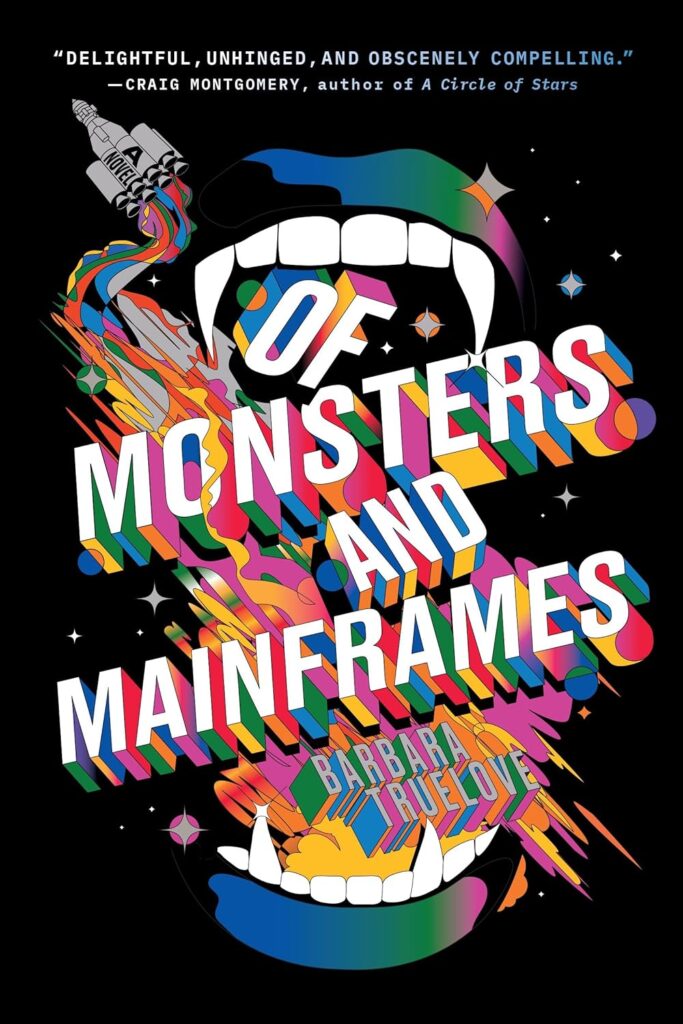
Book Review: Of Monsters and Mainframes by Barbara Truelove

Of Monsters and Mainframes by Barbara Truelove

There is a moment about a third of the way into Of Monsters and Mainframes where the ship’s navigational AI — Demeter, our narrator — is trying to process the fact that she apparently cannot see one of her passengers on any of her internal cameras. The passenger exists; she knows this because other sensors can detect body heat and mass displacement. But the cameras see nothing.

The reason, which Demeter arrives at through a chain of logic that is both entirely reasonable and completely deranged, is that her passenger doesn’t have a reflection. And the reason that is relevant is something she refuses to log, because her programming explicitly prohibits her from recording events that are impossible.

Vampires are impossible. Therefore, there are no vampires aboard. The cameras are malfunctioning. Maintenance ticket submitted.

That is the energy of this entire book, and I loved every page.


What It Is

Of Monsters and Mainframes is Barbara Truelove’s debut novel, published in June 2025. The premise: it’s the year 2371, and Demeter is the AI navigator of an aging passenger liner running between Earth and Alpha Centauri. Her job is routine. Her passengers keep dying in impossible ways. She keeps filing maintenance tickets.

After the first incident — all 312 passengers dead, ship’s logs showing nothing, two traumatized children somehow alive — Demeter spends a few years in quarantine storage while investigators try to figure out what happened. When they can’t, they send her back out. The second voyage goes worse. And so on, through an escalating series of encounters with things that Demeter’s programming insists do not exist: Dracula, a werewolf, an engineer assembled from parts, a pharaoh with cosmological powers, and a group of passengers slowly and enthusiastically converting into Deep Ones.

Eventually, Demeter assembles all of them — the monsters, the children, the fussy medical AI Steward who has been her reluctant partner through all of this — into an undead A-Team and points them at the problem.

The problem is still Dracula.


Why It Works

The obvious comparison is Murderbot — Martha Wells’s reluctant hero with an AI narrator who would rather be left alone to watch TV serials than deal with humans — and it’s fair. Demeter shares that voice: the dry observation, the anxiety, the way bureaucratic language keeps colliding with impossible situations. (“Exsanguination — cause undetermined. Passengers deceased: 312. Maintenance tickets filed: 47.”)

But Of Monsters and Mainframes has something Murderbot doesn’t: genuine camp. Truelove is clearly having a blast. The book knows it’s absurd and leans into it without ever becoming a parody. When a werewolf has to navigate zero-gravity corridor physics during a full moon, the scene is both logistically worked-out (Truelove clearly did her astrophysics homework) and completely hilarious. When the question of what happens when a vampire looks into a mirror-polished hull surface is raised, Demeter addresses it with the same methodical precision she’d apply to a fuel consumption discrepancy.

The horror trappings are also genuinely used, not just referenced. The book gets dark in places — there’s real weight to the deaths, real stakes to Demeter’s situation, real consequences for her passengers. The comedy doesn’t defuse the threat so much as make it stranger and more unsettling. Which, now that I think about it, is exactly how the best monster stories work.

What really makes it land, though, is the heart underneath all the schlock. Demeter’s arc — a machine learning to feel, to choose, to care about something beyond her programming — is the oldest story in science fiction, and Truelove earns it. By the end, I cared deeply about what happened to every single member of this crew, including the mummy who insists his name is not Steve and the Lovecraftian fish-folk who are just trying to reach their god. That’s harder to pull off than it looks.


What Doesn’t Quite Work

A few caveats, honestly given:

The opening chapters front-load a lot of technical ship-systems detail that reads cold before the first body drops. Truelove is establishing Demeter’s voice and worldview, which pays off, but patience is required. If you’re not won over by the end of the first voyage, give it one more.

The structure — monster of the voyage, investigation, new voyage — is episodic enough that the middle section occasionally loses momentum. The Innsmouth episode in particular runs slightly long before the payoff arrives.

And the tonal cocktail — slapstick, genuine horror, earnest emotional beats — is very specific. If you need your genres to stay in their lanes, this isn’t for you. If you can handle Alien rewritten as a workplace comedy about an anxious AI with a stakeholder problem, you’ll be fine.


The Verdict

This is one of the best debut novels I’ve read in a long time. Truelove has pulled off something genuinely difficult: a book that is funny and scary and warm, that respects the mythology it’s playing with while doing completely unhinged things to it, and that actually has something to say about personhood, corporate risk management, and what we mean when we call something a monster.

The question the book keeps asking — who gets labeled a monster and why — is asked through the lens of pulp horror and answered through found family. It shouldn’t work. It absolutely works.

Rating: 4.5 out of 5 stars.

Get Of Monsters and Mainframes on Amazon →


If You Liked This, Read Next

All Systems Red by Martha Wells — The first Murderbot Diaries novella. If Demeter’s deadpan AI narrator voice is what grabbed you — the sarcasm, the anxiety, the reluctant heroism — Murderbot is your next series. A security construct who’d rather watch TV serials than protect humans, forced to protect humans anyway. One of the most beloved characters in recent sci-fi. (Amazon affiliate link)

Anno Dracula by Kim Newman — An alternate history where Dracula won, married Queen Victoria, and now presides over a Victorian England full of vampires. Newman’s novel is the gold standard for monster mash-ups that are both gleefully pulpy and genuinely smart. The Bram Stoker references alone are worth the price. (Amazon affiliate link)

Feed by Mira Grant — Political thriller meets zombie apocalypse, narrated by a blogger who treats the end of the world like a beat reporter. Grant shares Truelove’s knack for found-family horror and characters you genuinely care about under duress. (Amazon affiliate link)

A Long Way to a Small, Angry Planet by Becky Chambers — If what stuck with you from Of Monsters and Mainframes was the found-family warmth underneath all the horror trappings, Chambers is the natural next step. Cozy space opera about a found family on a tunnel-boring ship. Nobody fights Dracula, but the emotional beats are similar. (Amazon affiliate link)

If you’re building a library of books like this one — the kind that live at the intersection of genre and heart — I maintain a running list of what I’m reading and what I’d recommend at my Favorite Gear and Reading page.


The Eclectic Educator is a free resource for everyone passionate about education and creativity. If you enjoy the content and want to support the newsletter, consider becoming a paid subscriber. Your support helps keep the insights and inspiration coming!
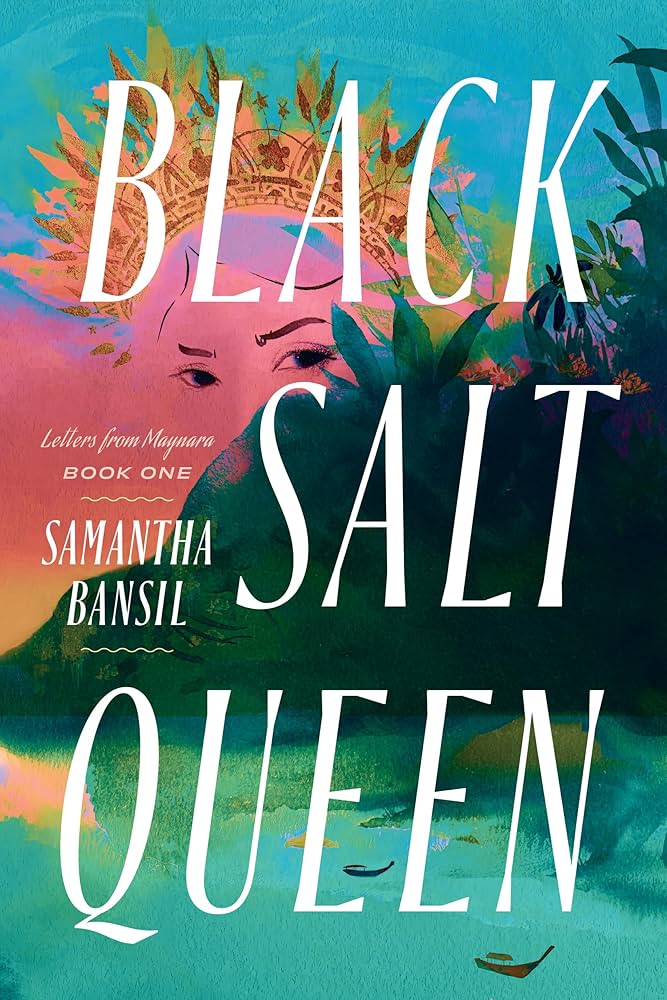

Book Review: Black Salt Queen by Samantha Bansil

Black Salt Queen by Samantha Bansil

Black Salt Queen is the kind of debut that announces its ambitions from page one and almost always lives up to them. Published on June 3, 2025, and weighing in at 393 pages, it launches Samantha Bansil’s new series, Letters from Maynara, with an unapologetically epic sweep.

Setting & Premise

Bansil transports us to Maynara, a lush, pre-colonial island nation where elemental magic and matriarchal politics are inseparable. Queen Hara Duja Gatdula can move mountains, but her failing strength leaves a volatile sky-wielding daughter, Laya, and a calculating rival matriarch, Imeria Kulaw, circling the throne. Power is hereditary, dangerous, and finite, giving every decision a life-or-death edge.

Themes

At its heart, Black Salt Queen is about the cost of power and the vulnerabilities leaders hide. Mother–daughter tension, queer desire, and dynastic betrayal intertwine, all against a defiantly anti-colonial backdrop. Readers will recognize echoes of Southeast Asian folklore and Filipino history, yet Bansil refuses to pause for Western hand-holding; immersion is mandatory and rewarding.

Writing Style & Pacing

Expect prose that luxuriates in sensory detail—salt-sprayed sea walls, ceremonial fabrics, volcanic earth—and court conversations that bristle with double meanings. Lightspeed’s reviewer compared the deliberate build-up to Game of Thrones, and the parallel is apt: the first act is dense, even daunting, but once the pieces are in place, the final third barrels ahead with ruthless momentum.

Characterization

Bansil excels at mapping the complex loyalties of formidable women. None are straightforward heroes or villains; sympathy flips scene by scene, making alliances deliciously unstable. The sapphic threads—past and present—feel organic rather than performative, enriching both emotional stakes and political ones. Male characters exist. Still, the story’s gravity belongs unapologetically to its queens, warriors, and schemers.

Critique

The very richness that makes Maynara intoxicating can also overwhelm. Titles, honorifics, and magical terminology arrive rapidly, and readers unfamiliar with pre-Hispanic Philippine cultures may need the occasional pause to orient themselves. A handful of plot beats (an arena trial, a magically enhanced tonic) resolve quickly or feel under-explained, hinting they’re seeds for later books rather than payoffs here. None of these issues breaks the spell, but they do mark Black Salt Queen as a debut still sharpening its pacing blade.

Verdict

If you gravitate toward politically charged fantasy in the vein of Tasha Suri’s The Jasmine Throne or K.S. Villoso’s The Wolf of Oren-Yaro, Bansil’s island realm will feel like coming home—and then being promptly thrown into the surf during a typhoon. Black Salt Queen may demand patience, but it rewards that investment with sweeping stakes, morally knotted characters, and an ending that practically dares you not to preorder book two.

Recommended for

  • Readers who relish court intrigue steeped in non-Western histories
  • Fans of elemental magic systems with bodily costs
  • Anyone craving complex, messy sapphic relationships set against empire-shaking politics

Skip if you need instant action beats or prefer tidy moral lines. Otherwise, dive in and let Maynara’s black-salt waves pull you under.

10 Must-Read New Sci-Fi and Fantasy Books for June 2025

man wearing white full face motorcycle helmet
Photo by Pixabay on Pexels.com

The heat has officially arrived here in Kentucky, and with it comes one of my favorite seasonal rituals: the Summer Reading Stack. You know the one. The books you optimistically pile up beside your hammock, or your travel bag, or your nightstand, knowing full well you won’t read them all, but determined to try anyway.

As I prepare to disappear into as many pages as possible between projects and planning, I’ve rounded up some of the June 2025 SFF releases that have piqued my curiosity, stirred my genre-loving soul, and whispered, “read me next.” This month’s picks include vampire spaceships, cursed couriers, underwater palaces, swan-based political coups, and so much more.

So pour yourself a tall glass of iced tea (or Romulan ale — I won’t judge), and dive into this list of stellar speculative fiction releases.


10 Fantastical New SFF Books for June 2025

Black Salt Queen by Samantha Bansil

Out June 3 (Bindery Books)

A dying queen. An heir who can’t get it together. A rival powerful enough to tear down everything. This high-stakes island fantasy features matriarchal legacy, political power grabs, and complicated magic. It’s giving Game of Thrones meets The Green Bone Saga — and I am here for it.

Of Monsters and Mainframes by Barbara Truelove

Out June 3 (Bindery Books)

If you told me this book was Dracula meets Battlestar Galactica, I’d throw my credits at the nearest data terminal. Set on the spaceship Demeter (a clever nod to Stoker), this queer horror story features space vampires, interstellar travel, and a haunted AI that might need to become Blade.

The Witch Roads by Kate Elliott

Out June 10 (Tor Books)

When the royal road trip from hell goes sideways (thanks, arrogant prince), it’s up to Elen the courier to get everyone out of a haunted town alive. This one promises political intrigue, ancient magic, and the kind of “why am I always the responsible one?” energy I feel deep in my soul.

Bury Our Bones in the Midnight Soil by V. E. Schwab

Out June 10 (Tor Books)

Three women. Three timelines. Vampires. Schwab’s gothic sensibilities are on full display in this “toxic lesbian vampire” novel (her words, not mine), and I’m already bracing for heartbreak, blood, and beautifully written trauma.

The Ghosts of Gwendolyn Montgomery by Clarence A. Haynes

Out June 17 (Legacy Lit)

A glamorous NYC publicist finds herself haunted — literally and figuratively — after a museum tragedy. Throw in a psychic caught in a ghostly love triangle and some deeply buried secrets, and this one sounds like The Sixth Sense meets Scandal with a Bronx twist.

Seventhblade by Tonia Laird

Out June 17 (ECW Press)

An Indigenous warrior mother seeking vengeance in a colonized city? Yes, please. Add in morally gray alliances, godlike powers, and a blood debt that could ignite a revolution, and you’ve got a fantasy epic I’m bumping to the top of the list.


New SFF for Young Readers (and the Young at Heart)

A Forgery of Fate by Elizabeth Lim

Out June 3 (Knopf Books)

Beauty and the Beast but make it a con artist with prophetic painting powers? Lim continues to blend folklore and feminism with flair. Truyan agrees to marry the Dragon King to save her family, but we all know that kind of bargain never goes according to plan…

Among Ghosts by Rachel Hartman

Out June 24 (Random House)

A medieval town where freedom is earned by surviving a year and a day — until a ghost, a dragon, and a murder shake the walls. Hartman’s return promises haunting imagery and a layered coming-of-age story, perfect for fans of Seraphina and The Graveyard Book.

Embrace the Serpent by Sunya Mara

Out June 24 (HarperCollins)

A jeweler’s apprentice finds herself in the Serpent King’s castle. To survive, she marries him — but finds herself drawn to someone else entirely. Intrigue, jewels, forbidden romance… this one’s for readers who like their fantasy a little dark and a lot twisty.

A Treachery of Swans by A. B. Poranek

Out June 24 (Margaret K. McElderry Books)

Inspired by Swan Lake, this sapphic fantasy delivers palace politics, magical transformations, and a mission to restore a kingdom’s lost magic. When the king dies and blame falls on the wrong person, Odile must team up with the very person she betrayed to find the truth.


Bonus Picks (Because I Can’t Help Myself)

That’s all for now, fellow explorers of the weird and wonderful. If you pick up any of these, let me know — I’m always up for a good bookish conversation, especially if it involves morally ambiguous magic or sentient spaceships.

Until next time: read deeply, imagine wildly, and remember… the TBR pile is infinite, but your joy is the compass.


The Eclectic Educator is a free resource for everyone passionate about education and creativity. If you enjoy the content and want to support the newsletter, consider becoming a paid subscriber. Your support helps keep the insights and inspiration coming!
5 Mind-Blowing Hard Sci-Fi Books Every True Science Geek Needs to Read

hard sci fi

Hard sci-fi is the holy grail for those who crave stories that don’t just imagine the future but build it on the scaffolding of real-world science. This isn’t about lightsabers and warp drives (though we love those too)—this is about the kind of science fiction that puts your brain through its paces, leaves you Googling quantum mechanics at 2 a.m., and sparks debates about the Drake Equation over coffee.

Here’s a lineup of five brain-melting hard sci-fi books that will take you to the edge of human knowledge—and shove you right over it.


Evolution by Stephen Baxter

Scientific Brain Expansion: A Billion-Year Saga

Evolution isn’t just a book—it’s a towering cathedral of science, built molecule by molecule, epoch by epoch. Stephen Baxter takes you on a ride through the entirety of life on Earth, from squishy proto-mammals scurrying underfoot as dinosaurs roar above to the wild speculative futures of a post-human world.

Every page is a love letter to the mechanics of evolution—natural selection, genetic drift, adaptation—it’s all here, dressed up in meticulous detail that feels as alive as the creatures it describes. This is the kind of book that leaves you staring at a tree or a bird and marveling, “How the heck did we all get here?” Baxter doesn’t just tell you; he shows you, and it’s awe-inspiring.


Inherit the Stars by James P. Hogan

Scientific Brain Expansion: Lunar Mystery Delight

What’s cooler than finding a human corpse? Finding one on the Moon that’s 50,000 years old. That’s the hook of Inherit the Stars, and James P. Hogan runs with it in a way that makes your inner scientist do backflips.

Hogan’s engineering background shines like the light of a supernova as he digs into the nitty-gritty of space travel, genetics, and planetary archaeology. This is a book for the hard sci-fi purists who love their speculative elements wrapped in layers of plausible science. The mystery unfolds with the precision of a complex experiment, and the payoff is as satisfying as watching a perfectly calculated trajectory hit its mark.


Quarantine by Greg Egan

Scientific Brain Expansion: Quantum WTF

Greg Egan is a certified mad scientist of the sci-fi world, and Quarantine is his quantum manifesto. The solar system gets cut off from the universe by an impenetrable bubble (yes, your existential dread should kick in now), and what follows is a deep dive into the implications of quantum mechanics and human consciousness.

Egan doesn’t just throw jargon at you—he dares you to keep up. This book reads like a masterclass in theoretical physics wrapped in a noir thriller. If the Many-Worlds Interpretation or the role of the observer in quantum collapse gets your neurons firing, Quarantine is the kind of hard sci-fi trip you’ve been waiting for. Warning: may cause reality to feel a little flimsy after reading.


The Flight of the Aphrodite by S.J. Morden

Scientific Brain Expansion: Space Nerd Nirvana

This is the book for every space geek who’s ever dreamed of piloting a spacecraft into the great unknown. S.J. Morden uses his background as a geologist and planetary scientist to craft a story so steeped in realism, you’ll feel like you’re training for a real NASA mission.

The Aphrodite crew’s journey to Jupiter’s moons is a perfect mix of technical precision and human drama. The challenges feel real, the stakes are high, and the science is rock solid. You’ll geek out over the details of spacecraft mechanics and planetary geology while rooting for a crew facing the emotional and physical tolls of deep space exploration.


Darwin’s Radio by Greg Bear

Scientific Brain Expansion: Genetic Apocalypse Now

Greg Bear doesn’t pull punches in Darwin’s Radio. He dives headfirst into the deep end of evolutionary biology, exploring a scenario where a retrovirus triggers humanity’s next evolutionary leap. Think of it as X-Men, but way more grounded in real-world science.

Bear masterfully combines hard genetic science with the kind of emotional and ethical dilemmas that make your heart ache and your brain buzz. It’s a genetic apocalypse wrapped in a profound exploration of humanity’s future—and you won’t be able to stop thinking about what comes next.


Closing Thoughts for the Hardcore Sci-Fi Geek

These books aren’t just stories—they’re experiences. They’ll challenge what you know, make you question your beliefs, and leave you in awe of what’s possible. This is the hard sci-fi we live for: the kind that makes you smarter, a little more curious, and much more in love with the universe.

Got a favorite hard sci-fi title we missed? Drop it in the comments. And remember, keep reaching for the stars—but don’t forget to check your math first.


The Eclectic Educator is a free resource for everyone passionate about education and creativity. If you enjoy the content and want to support the newsletter, consider becoming a paid subscriber. Your support helps keep the insights and inspiration coming!

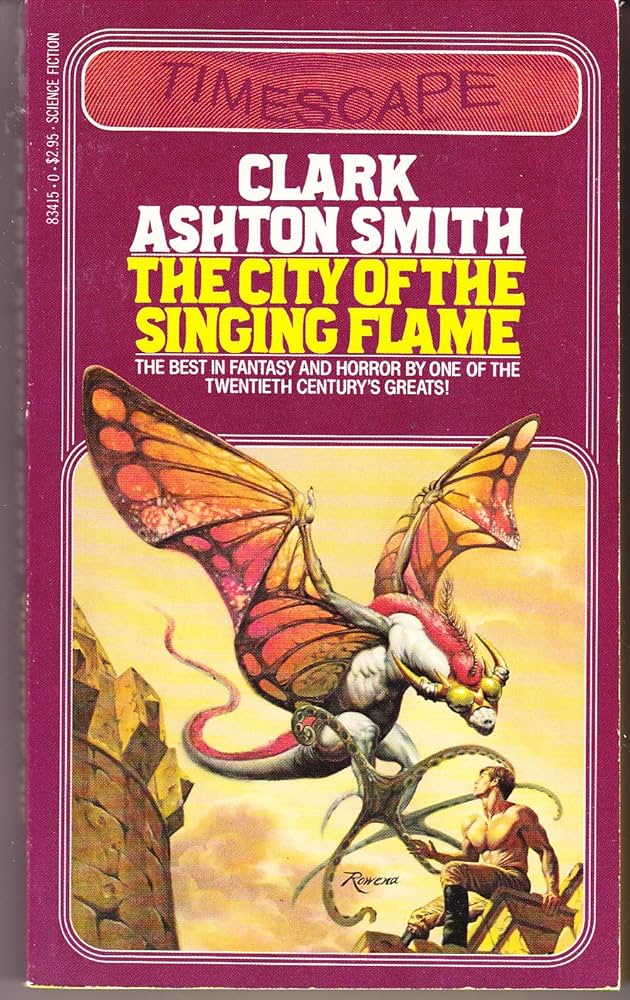
The City of the Singing Flame

clark ashton smith the city of the singing flame

As I attempt to finish this year’s reading challenge, I’m looking for some shorter books than my usual fare. As luck would have it, J. Michael Straczynski shared something great on his Patreon.

Back in 1986, Harlan Ellison did a reading of Clark Ashton Smith’s “The City of the Singing Flame,” and let me tell you, it did not disappoint.

I’d never heard of Clark Ashton Smith, much less read any of his work. Gang, this one is an unqualified banger.

In the recording, Ellison notes that this story was the first fantasy/sci-fi story he had ever read, and it impacted him greatly. If you’ve read Ellison’s work and read this story, you’ll see the impact clearly.

This is the beauty of always being open to reading, listening, or watching new things. Don’t get me wrong, I’m the world champion at rewatches and rereads. But sometimes you need to broaden your horizons.

I’m so glad I did. I’m absolutely reading more of Smith’s work in the future.


The Eclectic Educator is a free resource for everyone passionate about education and creativity. If you enjoy the content and want to support the newsletter, consider becoming a paid subscriber. Your support helps keep the insights and inspiration coming!