The shock and awe on the face of the folks at Mission Control as they chatted with the astronauts as this happened…
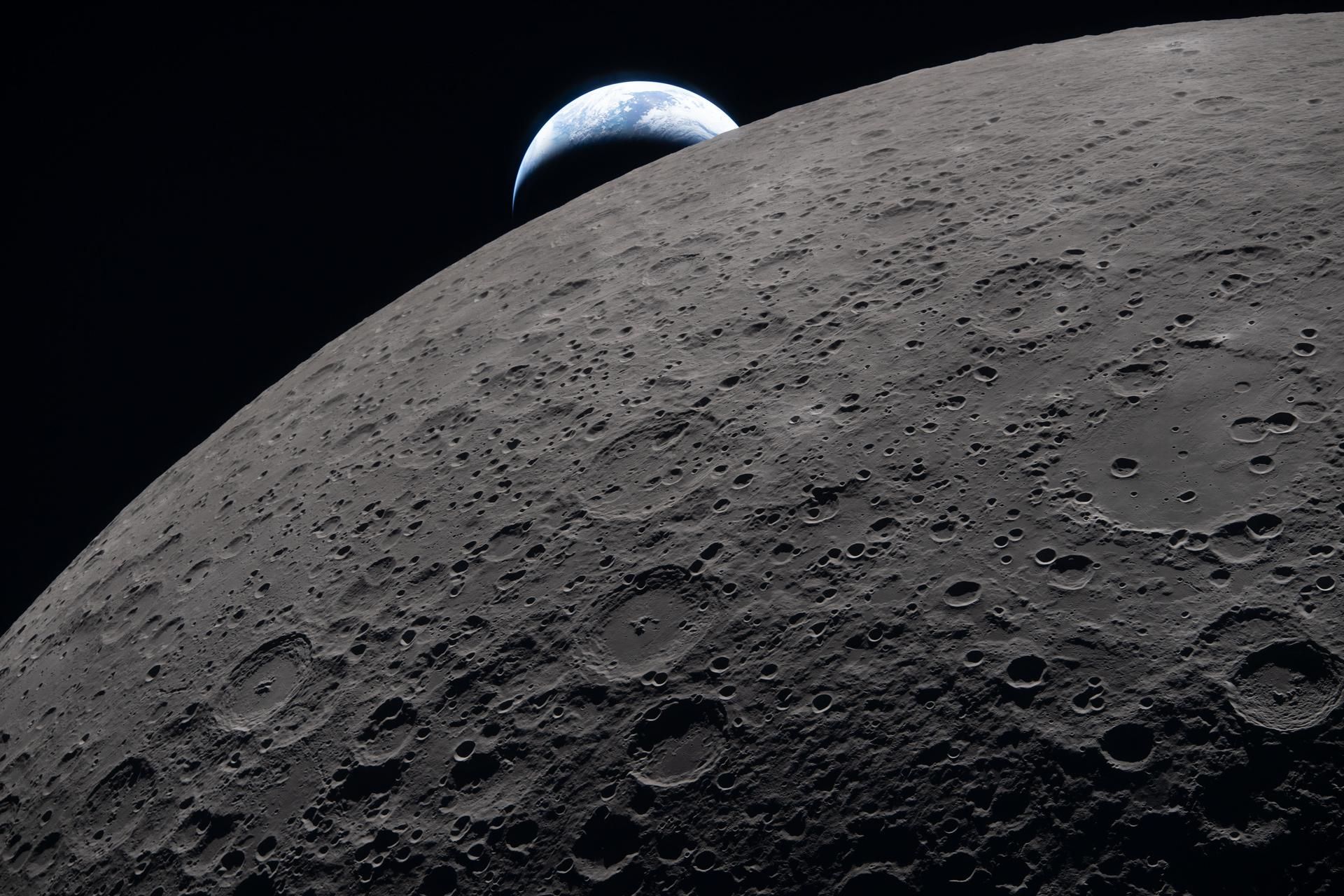
During their flyby of the far side of the moon, the Artemis II astronauts aboard the Orion spacecraft saw as many as six flashes emerging from the lunar surface. Surprisingly, they were witnessing small meteorites impacting the ground and producing brief flashes of light.
NASA’s control room recorded the team’s surprise during the mission livestream, although the cameras did not pick up the flashes. According to the astronauts, the flashes were white or blue-white and lasted less than a second. The cameras they were using to document the moon weren’t fast enough to record them.
If these images gave you the itch to look up more often, a decent beginner telescope doesn’t have to cost a fortune. The Celestron NexStar 5SE is what I’d point someone toward — computerized, easy to set up, and will absolutely ruin you for earthly concerns. For something more affordable, the Celestron StarSense Explorer uses your phone to help you find objects and is genuinely magical for beginners.
The Eclectic Educator is a free resource for everyone passionate about education and creativity. If you enjoy the content and want to support the newsletter, consider becoming a paid subscriber. Your support helps keep the insights and inspiration coming!
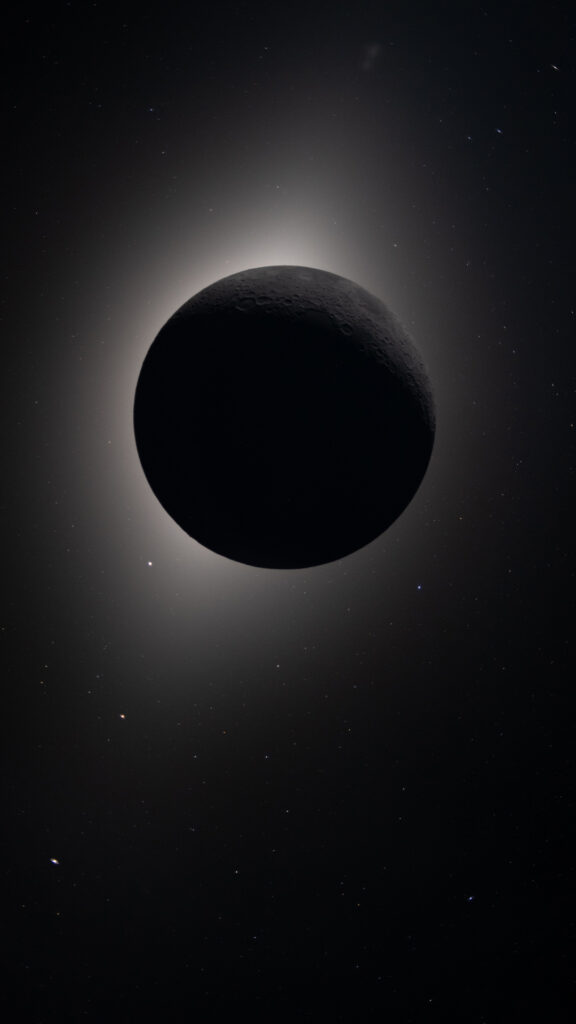
art002e009301 (April 6, 2026) – Captured by the Artemis II crew during their lunar flyby on April 6, 2026, this image shows the Moon fully eclipsing the Sun. From the crew’s perspective, the Moon appears large enough to completely block the Sun, creating nearly 54 minutes of totality and extending the view far beyond what is possible from Earth. We see a glowing halo around the dark lunar disk. The science community is investigating whether this effect is due to the corona, zodiacal light, or a combination of the two. Also visible are stars, typically too faint to see when imaging the Moon, but with the Moon in darkness stars are readily imaged. This unique vantage point provides both a striking visual and a valuable opportunity for astronauts to document their observations during humanity’s return to deep space. The faint glow of the nearside of the Moon is visible in this image, having been illuminated by light reflected off the Earth. Credit: NASA
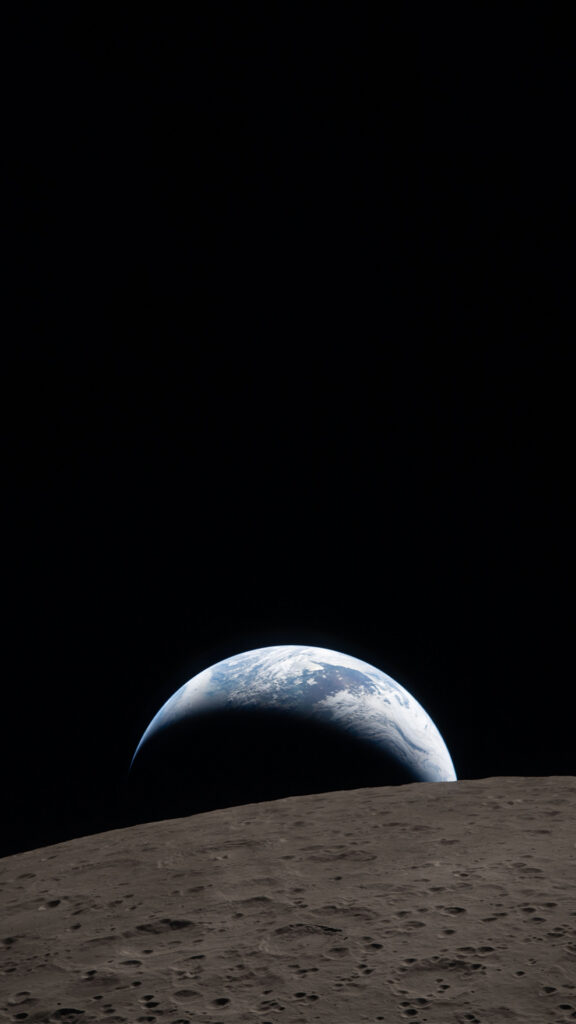
The pics of a blue Earth are frakkin’ brilliant, but this image taken from the Artemis II is breathtaking. And I still don’t understand how the flat-earthers can see these images and only hold more tightly to their delusions.
If this image gave you the itch to look up more often, a decent beginner telescope doesn’t have to cost a fortune. The Celestron NexStar 5SE is what I’d point someone toward — computerized, easy to set up, and will absolutely ruin you for earthly concerns. For something more affordable, the Celestron StarSense Explorer uses your phone to help you find objects and is genuinely magical for beginners.
“The month of November makes me feel that life is passing more quickly. In an effort to slow it down, I try to fill the hours more meaningfully.” – Henry Rollins
Is it just me, or are the short work weeks the ones filled with craziness? It’s been a crazy busy week around these parts, and it’ll be even crazier as we head toward Thanksgiving.
Innovation spreads faster when you can observe it happening. Seeing is believing.
Alice Keeler has a great FigJam activity on gratitude you can use with your whole class (FigJam, btw, is my recommended replacement for the soon-to-be-extinct Jamboard)
Finally, I wonder if the Manifesto of the Idle Parent could be modified into a Manifesto of the Idle Teacher. Certainly, we should push our students to do more and more of the work on their own as they grow, giving us time to help those who still struggle. Oh, and give us time to drink coffee…
BONUS: I’ve been jamming to this album from Azymuth, a Brazilian jazz-funk band. It’s fantastic and makes for great background music while you work
The Eclectic Educator is a free resource for everyone passionate about education and creativity. If you enjoy the content and want to support the newsletter, consider becoming a paid subscriber. Your support helps keep the insights and inspiration coming!